


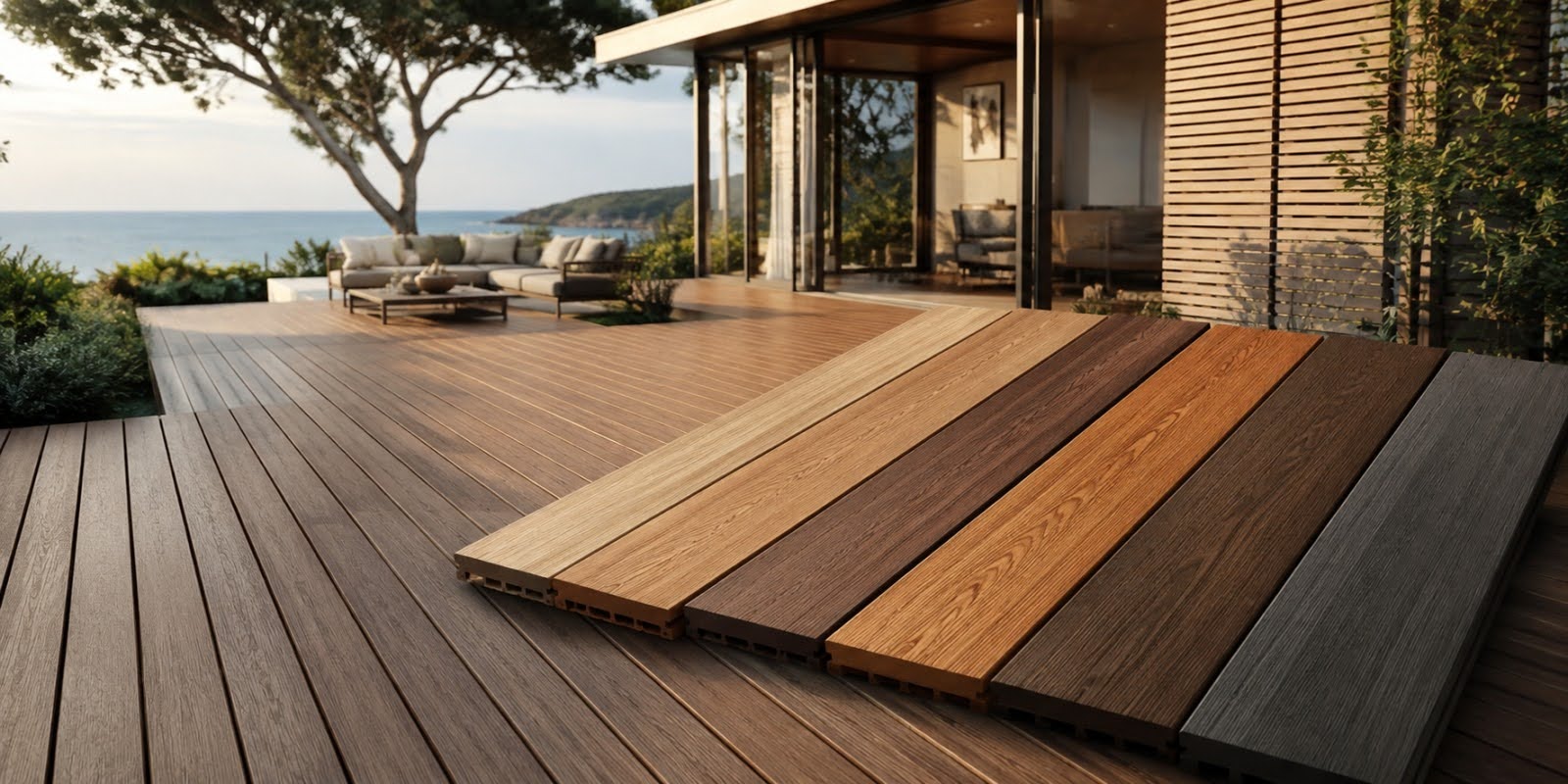
Wooden decking solutions are commonly used in many homes. Outdoor decking products include the timber boards, profiles, supporting components and related materials used to create an exterior decking system. Choosing the right product requires matching the timber species, board characteristics and installation method to the intended location and level of environmental exposure.
Different projects place different demands on decking materials. A residential balcony may require a different configuration from a garden walkway, pool surround or commercial outdoor space.
For natural outdoor timber decking, timber quality and species selection are particularly important because wood responds to moisture, sunlight and environmental conditions. Understanding the available product characteristics helps property owners and project teams make more informed choices.
What Are Outdoor Decking Products?
Outdoor decking products are materials specifically prepared for constructing exterior deck surfaces and their supporting systems. The visible decking boards are only one part of the finished assembly.
A complete decking system may include timber boards, supporting joists, fasteners, finishing materials and accessories required by the installation method.
Product selection should therefore consider how all of these elements interact. High-quality decking boards cannot compensate for inadequate support, unsuitable fixings or poor drainage.
For timber systems, the characteristics of the natural material also matter. Species, board dimensions, moisture condition and surface profile can influence installation and long-term behaviour.
Types of Timber Decking Products
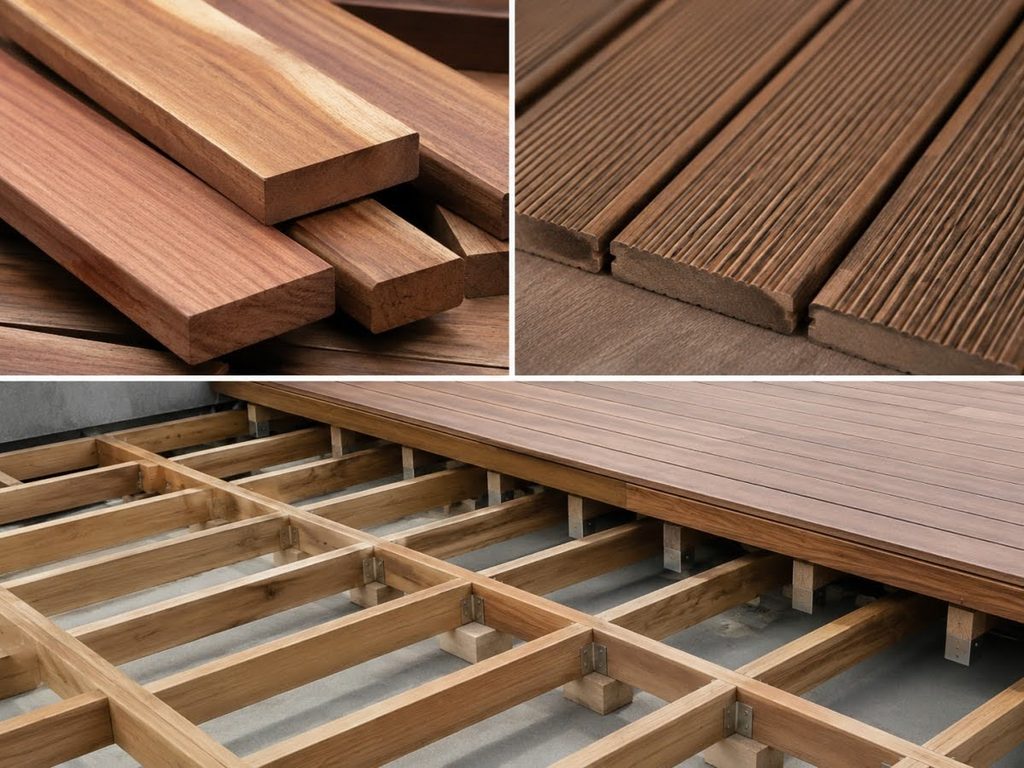
Timber decking products can vary according to species, dimensions, profiles and intended application. These differences affect both the appearance and practical performance of the deck.
Solid Timber Decking Boards
Solid timber boards are manufactured from natural wood and form the visible walking surface of the deck. Suitable hardwood timber species are often selected for exterior environments because of their strength and durability characteristics.
The boards may be supplied in different widths, thicknesses and lengths depending on the product and project requirements.
Profiled Decking Boards
Decking profiles describe the shape and surface configuration of the boards. Some boards have smooth surfaces, while others incorporate grooves or other profile features.
The selected profile can influence appearance, installation and maintenance. Profile alone, however, should not be treated as a guarantee of slip resistance or durability.
Supporting Timber Components
A timber deck also requires a suitable supporting system. Joists or other structural components help support the surface boards and transfer loads to the underlying structure.
Supporting materials should be selected according to site conditions and installation requirements, not simply because they are hidden from view.
Choosing the Right Timber Species
The right timber species should provide characteristics suitable for the project's exposure, usage and maintenance expectations. Different hardwood species vary in density, appearance, natural durability and dimensional behaviour.
Chengal timber is associated with exterior and structural applications in Southeast Asia. Suitable Chengal can be considered for decking where its characteristics match the required application.
Merbau timber is another hardwood used for decking and flooring. It offers its own grain, colour and physical characteristics.
Choosing between timber species should involve more than appearance. Useful considerations include:
- Suitability for exterior use
- Timber quality and grading
- Expected environmental exposure
- Intended foot traffic
- Maintenance requirements
- Compatibility with the decking system
A timber supplier should be able to explain the characteristics of the supplied material rather than relying only on the timber species name.
Product Applications
Outdoor decking products are used across residential, commercial and landscape environments. Material selection should reflect the practical demands of each application.
Balcony decks often need to work within limited installation heights while preserving drainage access. Garden decking may experience exposure to leaves, soil and moisture from surrounding landscaping.
Pool decks face regular wet conditions, making drainage and surface maintenance important. Commercial decks may experience higher foot traffic and require more frequent inspection.
Other common applications include patios, rooftop terraces, walkways and outdoor hospitality areas.
The same timber product may not be ideal for every location. Site conditions should therefore be evaluated before the decking materials are specified.
Product Sizes and Finishes
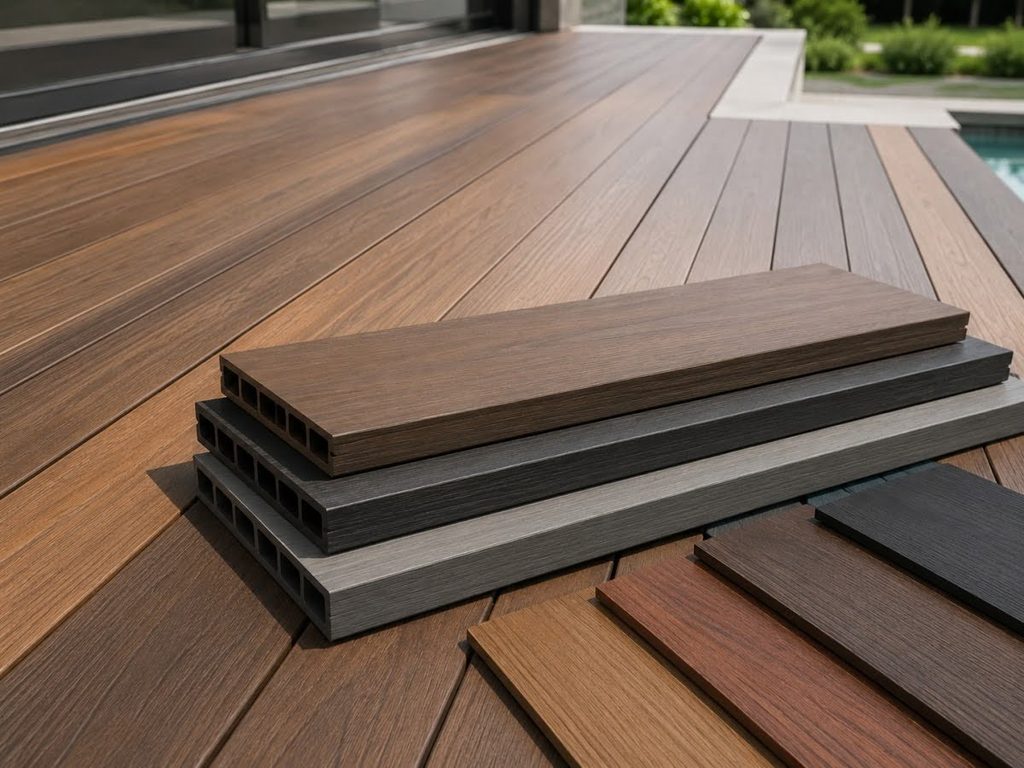
Decking board dimensions influence appearance, support requirements and installation. Width, thickness and length should be selected as part of the overall system rather than treated as purely aesthetic choices.
Thicker or wider boards are not automatically superior. Appropriate dimensions depend on support spacing, timber characteristics and project design.
Natural timber may also be supplied or finished with different surface treatments. Oils, coatings or other finishes can be used to manage appearance and exposure depending on the timber and product specifications.
Finishes require appropriate application and maintenance. No exterior coating should be assumed to remove the need for future inspection or care.
Natural colour variation should also be expected. Timber boards are not manufactured to have identical grain and tone, which gives a completed timber deck its distinctive appearance.
Maintenance Considerations
Outdoor timber products require routine maintenance because they are exposed to weather, dirt and changing moisture conditions. Maintenance requirements should be considered before a product is selected.
Regular cleaning helps prevent debris from accumulating on the surface and around drainage areas. Leaves and organic matter can retain moisture when left in place.
Periodic inspection can identify damaged boards, loose components or areas where water is not draining correctly.
Timber finishes may also require renewal depending on the appearance the owner wants to maintain. Natural weathering and colour change are expected characteristics of exterior wood.
A practical maintenance plan should match the actual location. A fully exposed deck typically experiences different conditions from a sheltered balcony.
Selecting the Right Supplier
A suitable decking supplier should provide clear information about the timber species, product characteristics and intended applications of the supplied decking materials. Product selection is more reliable when technical considerations are discussed rather than relying only on visual samples.
Relevant information can include timber type, dimensions, board profile and recommendations for installation or maintenance.
Experience with outdoor decking can also help when the site presents specific challenges such as drainage limitations, pools, exposed rooftops or commercial usage.
Where installation is included, it is useful to assess the complete solution rather than the board product separately. The substructure, fasteners and workmanship all contribute to the finished deck's performance.
Frequently Asked Questions (FAQs)
A timber deck generally requires surface decking boards, a suitable substructure, appropriate fixings and any specified finishing products. The exact components depend on the installation system and site.
Suitable hardwood species such as Chengal and Merbau may be considered for exterior decking. The appropriate choice depends on timber quality, project conditions and the intended application.
Board dimensions can affect how a decking system is designed and supported. Thickness should therefore be selected together with support spacing, timber characteristics and anticipated usage.
Products intended for outdoor use should be evaluated for their actual material characteristics and exposure requirements. “Weather resistant” does not mean that a product can be installed without proper drainage or maintenance.
Treatment and finishing requirements vary by timber species and desired appearance. The appropriate approach should follow the material characteristics and product recommendations.
Matching the Product to the Project
Outdoor decking products should be selected as components of a complete system rather than as individual decorative materials. Timber species, board dimensions, substructure, installation and maintenance all affect long-term performance.
Matching the product to the project's exposure and intended use provides a stronger basis for a functional outdoor deck.
Explore Timber Options for Your Decking Project
Selecting decking boards is easier when the proposed material can be assessed against actual site conditions. Nam Soon Decking Pte Ltd. can provide information on timber decking products for residential, commercial and landscape applications.
Property owners and project teams can contact Nam Soon Decking Pte Ltd. to discuss timber options and relevant decking requirements.