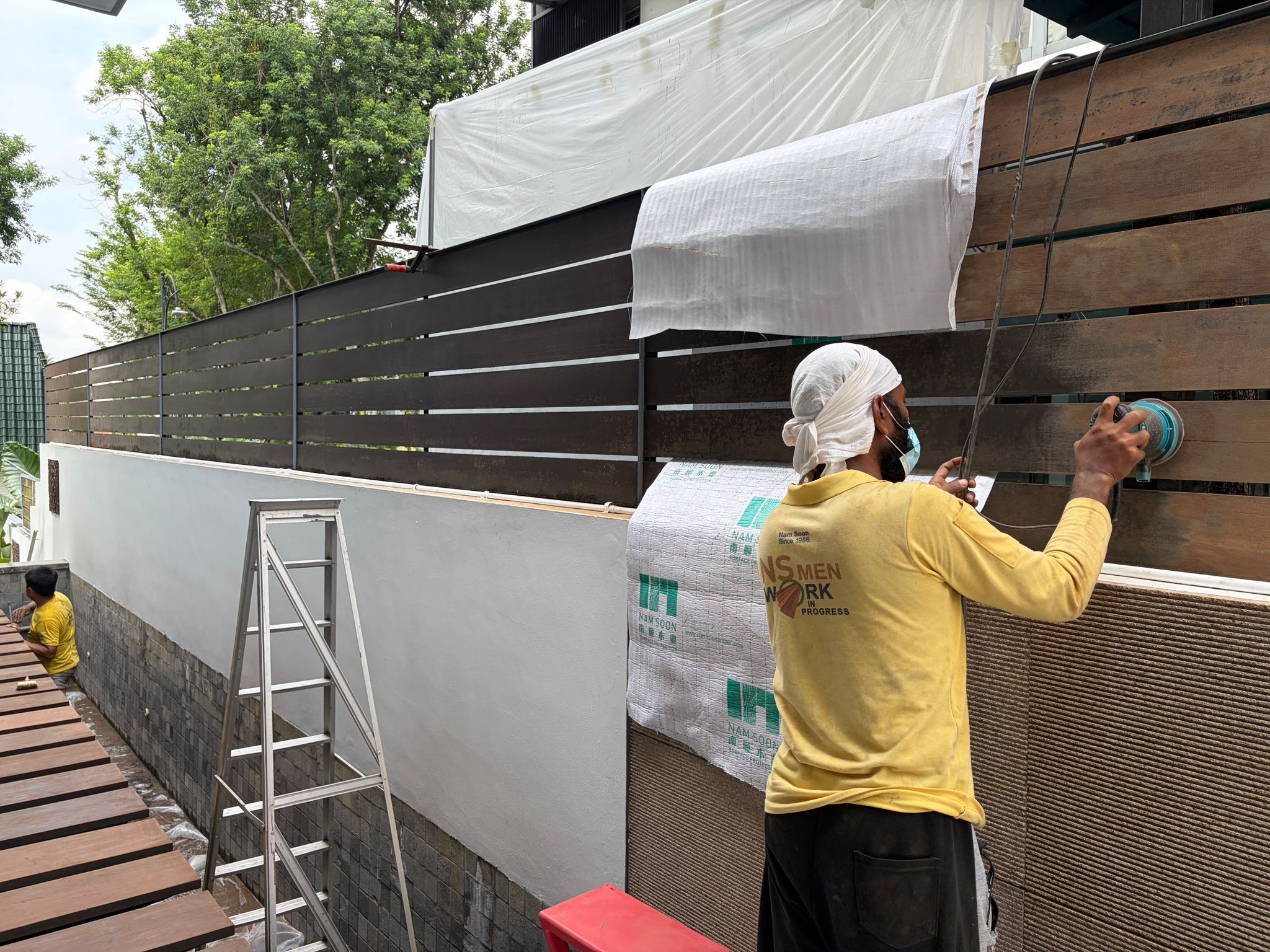
The Complete Guide to Wood Floor Repair in Singapore for Homeowners

The Complete Guide to Wood Floor Repair in Singapore for Homeowners

Homeowners with wooden flooring in their homes should ensure regular maintenance to ensure its longevity. Wood floor repair in Singapore refers to the process of restoring damaged timber flooring to maintain safety, durability, and appearance. Timber floors are widely used in residential and outdoor decking due to their natural finish and longevity. However, factors such as humidity, wear, and improper maintenance can lead to deterioration over time. 

Regular upkeep helps prevent structural damage, reduces safety risks, and extends the lifespan of flooring materials. Understanding the causes and repair methods allows homeowners to address issues early and maintain consistent floor performance.

Why Wood Floors Require Regular Maintenance

Wood flooring maintenance involves cleaning, inspection, and timely repairs to prevent long-term deterioration. In Singapore’s humid climate, timber is particularly susceptible to moisture absorption, which can cause expansion, warping, or fungal growth. 

Daily use also contributes to surface damage, especially in high-traffic areas. Furniture movement, debris, and improper cleaning methods can gradually weaken the protective layer of the wood. Without maintenance, minor issues can develop into structural concerns that require more extensive floor repair in Singapore.

Common Causes of Wood Floor Damage

Wood floor damage occurs due to environmental exposure, physical impact, and material ageing. Identifying the cause helps determine the appropriate repair method. 

The most common causes include: 

  • Moisture exposure from spills, leaks, or humidity 
  • Surface abrasion from foot traffic or debris 
  • Impact damage from dropped objects or heavy furniture 
  • Poor installation or ageing timber materials 

Each cause affects the wood differently, ranging from superficial scratches to deeper structural instability. In outdoor areas, deck repair is often required due to prolonged exposure to rain and sunlight.

Signs Your Wood Floor Needs Repair

Signs Your Wood Floor Needs Repair

Wood floors typically show visible and structural indicators when repairs are necessary. Early identification helps prevent further deterioration and reduces repair complexity. 

Key signs to look for include: 

  • Scratches or worn surface finishes 
  • Dents or indentations in the timber 
  • Discolouration caused by water damage 
  • Loose, creaking, or uneven boards 

These signs indicate that the flooring may no longer provide consistent support or protection. Addressing these issues early can prevent safety risks and maintain the integrity of the flooring system.

Types of Wood Floor Repairs

Wood floor repair methods vary depending on the severity and type of damage. Each method focuses on restoring either the surface condition or structural stability of the timber.

Minor Scratch and Surface Repairs

Minor repairs address superficial damage such as light scratches and worn finishes. These are typically resolved using polishing compounds, touch-up solutions, or protective coatings. 

This approach helps restore the appearance of the wood without altering the structure. It is suitable for early-stage damage where the underlying timber remains intact.

Sanding and Refinishing

Sanding and refinishing involve removing the top layer of the wood to eliminate deeper scratches, stains, and uneven surfaces. A new protective finish is then applied to restore durability. 

This method is commonly used for aged flooring that has lost its original coating. It improves both the visual consistency and resistance of the surface.

Board Replacement and Structural Repair

Board replacement is required when timber planks are severely damaged, warped, or unstable. The affected sections are removed and replaced with new materials that match the existing floor. 

This method ensures structural safety and prevents further damage from spreading. It is often necessary in cases of water damage or long-term neglect.

DIY vs Professional Repairs

Wood floor repair can be performed as a do-it-yourself task or by a professional, depending on the complexity of the issue. Simple maintenance tasks are manageable, while structural repairs require specialised expertise. 

The following criteria help determine the appropriate approach: 

  • DIY is suitable for light scratches, cleaning, and minor surface touch-ups 
  • Professional repair is required for water damage, warping, or loose boards 
  • Deck repair often requires professional tools due to outdoor exposure 
  • Large areas of damage benefit from consistent finishing by specialists 

Professional services ensure proper assessment, material compatibility, and long-term durability, especially for extensive repairs. 

Preventative Maintenance Tips for Timber Floors

Preventative maintenance involves routine practices that reduce the likelihood of damage and extend the lifespan of wood flooring. Consistent care is essential in maintaining both indoor and outdoor timber surfaces. 

The following practices are commonly recommended: 

  • Clean floors regularly using appropriate wood-safe products 
  • Maintain indoor humidity levels to prevent expansion or contraction 
  • Use protective pads under furniture to reduce surface impact 
  • Apply protective coatings to enhance resistance against wear 

These measures help maintain structural integrity and reduce the need for frequent floor repair in Singapore.

Indoor vs Outdoor Timber Flooring Considerations

Indoor and outdoor timber flooring require different maintenance approaches due to environmental exposure. Indoor flooring is typically protected from direct weather conditions, while outdoor decking faces constant exposure to moisture and sunlight. 

Outdoor timber surfaces often require more frequent inspection and deck repair to address weather-related damage. Protective treatments and sealing are essential to prevent water penetration and decay. 

Indoor flooring, while less exposed, still requires humidity control and regular cleaning to prevent gradual wear.

Understanding Timber Medic Repair Approaches

Timber medic repair refers to a systematic approach to diagnosing and restoring timber surfaces based on their condition. This includes identifying damage types, selecting suitable repair techniques, and applying protective treatments. 

This method focuses on preserving existing materials where possible, rather than complete replacement. It is commonly applied in both residential flooring and decking to maintain consistency and reduce material waste. 

By combining inspection, targeted repair, and preventive measures, timber medic approaches ensure long-term performance and structural reliability.

Maintenance Schedule for Wood Floors

A maintenance schedule provides a structured approach to caring for timber flooring. Regular intervals help ensure that minor issues are addressed before they develop into major repairs. 

A typical schedule includes:

Maintenance Task

Recommended Frequency

Sweeping or cleaning

Weekly

Surface inspection

Monthly

Protective coating

Every 6–12 months

Professional assessment

Annually

Following a schedule helps maintain consistent floor condition and reduces the need for extensive repair work. 

Frequently Asked Questions (FAQs)

Wood floors warp primarily due to moisture exposure and humidity fluctuations. Timber absorbs moisture from the environment, leading to expansion and deformation. Proper ventilation and humidity control can reduce this risk.
Refinishing is typically required every few years, depending on usage and wear. High-traffic areas may require more frequent refinishing to maintain surface protection and appearance.
Timber decking can be repaired through cleaning, sanding, or board replacement depending on the extent of damage. Deck repair is often necessary when exposure to weather causes structural weakening or surface degradation.
Minor repairs such as cleaning and light scratch removal can be performed without professional assistance. However, structural issues, water damage, or large-scale repairs should be handled by professionals to ensure proper restoration.
Preventative measures include regular cleaning, moisture control, and protective coatings. Routine inspections also help identify early signs of damage before they become more serious.

Preserving Timber Flooring for Long-Term Use

Wood flooring remains durable when properly maintained and repaired in a timely manner. Addressing early signs of damage, applying suitable repair methods, and following a consistent maintenance routine can significantly extend the lifespan of timber surfaces. 

By understanding the causes of wear and selecting appropriate repair solutions, homeowners can maintain both the safety and appearance of their flooring.

Evaluating the Need for Professional Floor Repair Services

Homeowners should ensure the proper care and maintenance for their floors to ensure its longevity and durability. For property owners considering professional assessment or repair options, it may be useful to consult with a reliable wooden floor maintenance company for professional wood floor repair in Singapore to evaluate the current condition of timber flooring and determine suitable solutions.

DIY vs Professional Wooden Floor Repair in Singapore: What You Need to Know

DIY vs Professional Wooden Floor Repair in Singapore What You Need to Know

Homeowners may opt for wooden flooring solutions for their homes but they should be aware of suitable repair options as well. Choosing between DIY and professional wooden floor repair in Singapore depends on the extent of damage, required expertise, and long-term maintenance goals. Minor surface issues may be manageable with basic tools, while structural or moisture-related damage often requires trained professionals. Understanding these differences helps prevent further deterioration and protects the lifespan of timber flooring. This comprehensive guide explores wooden floor repair, when to DIY and when to consult a professional, and identifying when repairs are necessary.

What Wooden Floor Repair Involves

Wooden floor repair refers to the process of restoring damaged timber surfaces to maintain structural integrity, safety, and appearance. This includes addressing scratches, dents, warping, moisture damage, and joint separation. 

In Singapore’s humid climate, timber flooring is particularly vulnerable to expansion and contraction. Repairs often involve sanding, filling gaps, replacing damaged planks, and refinishing surfaces to restore durability. Proper repair methods ensure that the flooring continues to perform well under environmental conditions.

Common Types of Wood Flooring Damage

Wood flooring damage can vary in severity and cause, requiring different repair approaches depending on the issue. Identifying the type of damage is essential before deciding between DIY and professional repair. 

The most common types include: 

  • Surface scratches caused by furniture or foot traffic 
  • Water damage leading to swelling or discolouration 
  • Warping or buckling due to humidity exposure 
  • Gaps between planks from seasonal changes 
  • Deep cracks or structural damage 

Each type of damage affects both the appearance and performance of the flooring, making accurate diagnosis important before repair begins.

DIY Wooden Floor Repair: When It Is Suitable

Common Types of Wood Flooring Damage

DIY wood flooring repair is suitable for minor and superficial issues that do not affect the structural integrity of the floor. These repairs typically involve simple tools and readily available materials. 

For homeowners considering DIY repairs, the following scenarios are generally manageable: 

  1. Light scratches or scuff marks 
  2. Small gaps between planks 
  3. Minor dents or surface wear 
  4. Basic polishing or recoating 

DIY repairs can help maintain the floor’s appearance in the short term. However, improper techniques may lead to uneven finishes or incomplete restoration, especially if the damage extends beyond the surface. 

Tools and Methods Used in DIY Repairs

DIY wooden floor repair relies on accessible tools and basic techniques designed for small-scale maintenance. These methods aim to improve surface appearance without extensive intervention. 

Typical tools and methods include: 

  • Sandpaper or handheld sanders for smoothing scratches 
  • Wood fillers for sealing minor cracks and gaps 
  • Touch-up markers or stains to restore colour consistency 
  • Sealants or finishes for surface protection 

These methods are effective only when applied correctly and within the limits of minor damage. Overuse or incorrect application may result in inconsistent textures or colour mismatches. 

Limitations of DIY Repairs

DIY repairs are limited in scope and may not address underlying issues affecting timber flooring. While they provide short-term improvements, they may not resolve deeper structural or environmental problems. 

The main limitations include: 

  • Inability to fix subfloor or moisture-related damage 
  • Risk of uneven sanding or over-sanding 
  • Difficulty in matching original wood finish 
  • Limited durability of repairs 

These limitations make DIY approaches less suitable for long-term restoration or complex repair needs.

Professional Wooden Floor Repair: When It Is Necessary

Professional Wooden Floor Repair: When It Is Necessary

Professional wooden floor repair is required when damage affects the structural integrity, stability, or long-term durability of the flooring. This includes issues caused by water infiltration, extensive wear, or improper installation. 

In Singapore, professional services often include detailed inspection, moisture testing, and advanced restoration techniques. Specialists use industrial-grade equipment to ensure accurate repairs and consistent finishing across the entire floor surface.

Techniques Used by Professionals

Professional wood flooring repair involves specialised techniques designed to restore both function and appearance. These methods are tailored to the type and severity of damage. 

Common professional techniques include: 

  • Machine sanding for uniform surface levelling 
  • Replacement of damaged planks or sections 
  • Moisture control and treatment 
  • Recoating with durable finishes 
  • Structural reinforcement where needed 

These techniques ensure that repairs are long-lasting and aligned with the original flooring specifications. 

Benefits of Professional Repair Services

Professional repair services provide a comprehensive approach that addresses both visible and underlying issues in timber flooring. This ensures consistent results and reduces the likelihood of recurring damage. 

Key benefits include: 

  • Accurate diagnosis of flooring issues 
  • Use of specialised tools and materials 
  • Consistent surface finishing 
  • Long-term durability and performance 
  • Reduced risk of further damage 

Professional repairs are particularly important in environments where humidity and usage levels can accelerate wear. 

DIY vs Professional Repair: Key Differences

The difference between DIY and professional wooden floor repair lies in the level of expertise, tools, and long-term effectiveness. Each approach serves a different purpose depending on the condition of the flooring.

Aspect

DIY Repair

Professional Repair

Scope

Minor surface issues

Minor to major damage

Tools

Basic household tools

Industrial equipment

Skill Level

Basic knowledge

Trained expertise

Results

Short-term improvement

Long-term restoration

Risk Level

Higher risk of errors

Lower risk with proper methods

This comparison helps determine which approach is appropriate based on the condition of the flooring.

Factors to Consider Before Choosing a Repair Method

Selecting the right repair method requires evaluating the condition of the floor and the desired outcome. A clear assessment helps prevent unnecessary repairs or further damage. 

Important factors include:

  • Extent and depth of damage 
  • Age and type of timber flooring 
  • Exposure to moisture or humidity 
  • Desired longevity of repair 
  • Availability of proper tools and expertise

Careful consideration of these factors ensures that the chosen method aligns with the actual repair requirements. 

The Role of Preventive Maintenance

Preventive maintenance reduces the need for frequent wooden floor repair by protecting the surface from common causes of damage. Regular care helps preserve both appearance and structural integrity. 

Effective maintenance practices include: 

  • Cleaning with appropriate wood-safe products 
  • Using protective pads under furniture 
  • Controlling indoor humidity levels 
  • Avoiding prolonged exposure to water 

These measures help extend the lifespan of timber flooring and minimise repair frequency.

Understanding Timber Medic Solutions

Timber medic solutions refer to specialised repair methods focused on restoring damaged timber surfaces without full replacement. These solutions are commonly used for targeted repairs in residential and commercial settings. 

They typically involve restoring affected areas through controlled sanding, filling, and refinishing. This approach helps maintain the original flooring while addressing localised damage efficiently.

Frequently Asked Questions (FAQs)

DIY repair should be avoided when there is visible warping, water damage, or structural instability. These issues require specialised tools and expertise to address properly. Attempting DIY in such cases may worsen the damage.
Professional repair is necessary when damage extends beyond the surface, such as deep cracks or moisture-related issues. Uneven flooring or persistent gaps are also indicators. A professional assessment provides a more accurate diagnosis.
Small scratches can often be repaired using simple methods such as sanding or touch-up products. These solutions improve surface appearance but may not restore deeper layers. Consistency in application is important for uniform results.
Humidity plays a significant role in timber flooring behaviour. High humidity can cause expansion, while low humidity may lead to gaps. Proper repair methods account for these environmental factors.
Timber medic solutions are suitable for localised damage but not for widespread structural issues. They are effective for restoring specific areas without replacing entire sections. More extensive damage may require full professional repair.

Choosing the Right Repair Approach

Selecting between DIY and professional repair depends on understanding the limitations of each method. Minor issues may be manageable with basic techniques, while more complex damage requires professional intervention.

Recognising when to seek expert help helps preserve the condition of timber flooring. A well-informed approach ensures that repairs are effective and aligned with long-term maintenance goals.

Seeking Professional Help for Wooden Floor Repair

Wooden floor solutions require maintenance to ensure its longevity over a period of time. Homeowners are advised to engage the services of a company that provides high-quality care and maintenance for wooden floors. Knowing your limits helps protect the long-term condition of timber flooring and prevents further damage from improper repairs. For cases where professional assessment or restoration is needed, it is advisable to contact a trusted wooden floor decking company today.

How to Protect Your Outdoor Timber Deck From a Termite Infestation

Maximising the Lifespan of Your Outdoor Timber Deck—Preventing Termite Infestation!

An outdoor timber deck adds beauty and functionality to a home, and in an environment such as Singapore where there are space constraints, they can maximise living space by creating an extended outdoor area for relaxation, dining, and social gatherings. Additionally, timber is quite a sturdy wood type that can withstand the weather conditions in Singapore. Unlike other woods like softwoods, timber wood is less prone to warping and expansion as well. 

While timber outdoor decking presents homeowners with a myriad of benefits, it isn’t without its weaknesses. As a natural, biodegradable wood, it will be prone to termite infestation. Termites can cause damage, weakening the structure and reducing the lifespan of the deck. Therefore, to keep your deck protected, it is essential to take proactive measures against these destructive pests. 

In this article, we will discuss what heightens the risk of termite infestations and what preventive measures can be taken. If you read till the end, we will also recommend some of Nam Soon Pte. Ltd’s services that you can use to eliminate this issue!

Maximising the Lifespan of Your Outdoor Timber Deck—Preventing Termite Infestation!

Maximising the Lifespan of Your Outdoor Timber Deck—Preventing Termite Infestation!

Before we dive into the preventative measures you can take to eliminate the termite infestation for outdoor timber decking, it’s important to first recognise when your timber deck may be suffering from it! This is important as it helps minimise the damage and allows for prompt intervention. 

Here are some signs to watch out for:

  • Hollow-Sounding Wood: Tap on the timber; if it sounds hollow, termites may have eaten away the inside.
  • Discarded Wings: Termites shed their wings after swarming, leaving behind small, translucent wings near wooden structures.
  • Frass (Termite Droppings): Drywood termites leave behind small, pellet-like droppings.
  • Visible Damage: Look for warped or blistering wood, which could indicate internal termite activity.

If any of these signs are present, seeking professional pest control services immediately is crucial to prevent further damage. Nam Soon’s Timber Medic+ service is ideal for mitigating these issues; if the damage is severe, we can help refurbish or replace your outdoor timber deck. 

However, you need not wait till the damage is so far gone, instead, try these preventative measures:

  • Choose Termite-Resistant Wood:

Selecting the right type of timber can make a significant difference. Hardwoods like teak, mahogany, and jarrah are naturally resistant to termites. Alternatively, treated timber infused with chemicals designed to deter termites can provide an added layer of protection.

  • Apply Protective Coatings:

Sealing your deck with termite-resistant coatings, such as borate-based wood preservatives, can help prevent infestations. Regularly applying a high-quality sealant or paint will create a barrier against moisture, which can attract termites.

  •  Maintain Proper Ventilation and Drainage: 

Moisture is a key attractant for termites. Ensure your deck has adequate ventilation and a well-designed drainage system to prevent water accumulation. Keeping the area beneath the deck dry reduces the likelihood of termite activity.

  • Keep the Area Around Your Deck Clean:

Eliminate sources of wood debris, such as fallen branches, firewood, or mulch near your deck. These can serve as a breeding ground for termites, increasing the risk of an infestation spreading to your deck.

  • Install Physical and Chemical Barriers:

Using termite-resistant barriers, such as stainless steel mesh or sand barriers, can help prevent subterranean termites from accessing your deck. Additionally, applying liquid termiticides around the foundation of your deck can create a chemical deterrent.

  • Schedule Professional Pest Control Services:

Hiring a professional pest control service for routine inspections and preventive treatments can provide long-term protection. Experts can apply specialised termite treatments and offer recommendations tailored to your specific deck and environment.

Protecting your outdoor timber deck from termite infestations requires a combination of material selection, proper maintenance, and proactive pest control measures. By implementing these strategies, you can extend the lifespan of your deck and enjoy a beautiful, termite-free outdoor space for years to come.

Nam Soon Pte. Ltd. —For a High Quality of Service!

For additional support, consider Nam Soon Decking’s Timber Medic+ services and other maintenance solutions to help with deck replacement or overall upkeep as a preventative measure. As an NEA Certified Vector Control Operator, we ensure professional and effective pest management services for your timber deck!
Contact us today for further enquiries!

Maximising the Lifespan of Your Timber Floor Decking

Maximising the Lifespan of Your Timber Floor Decking

Outdoor timber decking is a popular way of elevating your garden space in Singapore. A main reason for this, apart from its visual appeal, is its resistance to the Singaporean climate. Even though some homeowners assume that wood cannot withstand the fluctuations between dry and wet, certain types of timber such as Chengal and Teak are quite sturdy and not susceptible to expansion or shrinkage due to these weather conditions. 

While it may be a strong wood type, timber floor decking is not completely immune to degradation. For instance, damage from moisture, mould, and insect infestation are some of the most common issues that arise in timber decks. However, this should not deter you from investing in these gorgeous decks as these issues are quite easy to manage with just a little effort on your part! What’s more, we will help you through these issues, discussing the nature of the aforementioned problems while providing you with solutions to mitigate and hopefully eliminate the issues entirely. 

If you’re a homeowner who’s interested in lengthening the lifespan of your timber deck, keep reading on!

Common Issues with Timber Floor Decking and How to Fix Them

To effectively maintain outdoor timber decking, we need to first understand the crux of our issues. Understanding the problems we mentioned earlier will aid you in dealing with them promptly and effectively. 

  • Moisture: While timber is relatively weather resistant, it has a high absorption level, leaving it susceptible to moisture. Furthermore, inadequate treatment and poor ventilation will cause the wood to warp, and in the worst-case scenario, it could lead to wood rot.
  • Mould: Mould and mildew thrive in damp environments, causing unsightly stains and slippery surfaces. These fungi not only affect the appearance of your deck but can also contribute to decay if left untreated. 
  • Insect Infestation: Certain pests, such as termites and wood borers, can wreak havoc on timber decks, gradually eating away at the wood and causing structural damage that may require extensive repairs or replacements.
  • Surface Erosion: Constant exposure to sunlight, rain, and heavy foot traffic can wear down the surface of the deck. Over time, this erosion can lead to splintering and cracking, making the deck uncomfortable and potentially hazardous to use.

These damages can be mitigated or entirely avoided if you take a proactive approach to maintaining your timber deck. Here are some tried and tested techniques that we recommend you use:

  • Regular Cleaning: Cleaning your deck regularly helps remove dirt, debris, and organic matter that can contribute to mould growth and surface deterioration. Use a soft brush or pressure washer to clean the deck at least once a month.
  • Repairs and Replacements: Address minor issues such as loose boards, protruding nails, or small cracks as soon as possible. Replacing damaged sections early can prevent larger, more costly repairs in the future.
  • Staining: Applying a high-quality stain helps protect the timber from UV damage, moisture, and general wear and tear. Staining also enhances the deck’s natural colour and grain, keeping it looking fresh and vibrant.
  • Sealing: Sealing your deck adds a protective layer that prevents moisture absorption and reduces the risk of mould and rot. It’s advisable to reseal your deck every one to two years, depending on weather conditions and usage.

In addition to these techniques to minimise the damage, taking preventive measures from the outset can significantly extend the lifespan of your timber deck. Here’s what you should consider:

  • Choosing Appropriate Materials: Opting for high-quality, durable timber species like teak, ironwood, or treated hardwood can improve the deck’s resistance to moisture, insects, and decay.
  •  Regular Inspection: Conduct periodic inspections to check for early signs of damage, such as cracks, soft spots, or pest infestations. Early detection allows for timely intervention before problems escalate.
  •  Proper Installation: A well-installed deck with adequate drainage and proper spacing between boards helps prevent water accumulation and promotes airflow, reducing the risk of moisture-related issues.

Timber decks are a valuable investment that can last for decades if maintained properly. Regular cleaning, timely repairs, and preventive measures will ensure that your deck remains sturdy and visually appealing. However, if your deck has suffered extensive damage or requires professional maintenance, consider reaching out to Nam Soon Pte. Ltd. 

For High-quality Timber Decking: Nam Soon Pte. Ltd. 

Our expertise in decking solutions will guarantee that you get a timber deck that is highly durable and appeals to your unique tastes. Furthermore, Nam Soon’s Timber Medic+ services treat and fix any damages that may occur, ensuring that you enjoy your timber deck to its full potential for many years to come. 

Invest in a timber deck to enjoy a beautiful, durable outdoor space for the future—contact us today!

Tips and Tricks to Elevate the Ambiance of Your Outdoor Timber Deck

Tips and Tricks to Elevate the Ambiance of Your Outdoor Timber Deck

An aesthetically pleasing and well-maintained outdoor timber deck can significantly improve your living space, providing a comfortable and stylish area for relaxation and entertainment. Be it for family gatherings, social events, or a peaceful retreat, high-quality outdoor decking products can add value to your property while improving your overall outdoor experience. Of course, there are a plethora of things you can do to enhance the ambience of your deck during and after the installation process to ensure that it matches the overall aesthetic of your home and gives it an authentic feel that it so deserves. 

If you’re a homeowner on a mission to create the most stunning garden with a stylishly decorated timber deck, this article is for you! Read on to find out some useful tips on how you can improve the look of your outdoor timber deck; from maintenance tips to decor tips, we are here to help. 

Styling Tips for Outdoor Timber Decking

Before we delve into the many styling tips we have to offer for outdoor timber decking, it’s crucial to understand the value of consulting with a reliable timber decking company. This is because the installation of outdoor decking products can predetermine their longevity, durability, and overall aesthetic appeal. At Nam Soon, we offer a combination of maintenance and style tips to ensure that your wooden timber deck not only appeals to your visual senses but also remains sturdy and long-lasting

  • Material selection:  

Choosing the right material for your timber deck is crucial in achieving a stylish and durable outdoor area. High-quality hardwoods such as teak, ironwood, or Chengal offer longevity and resistance to the elements. Opting for sustainably sourced materials also contributes to environmental conservation.

  • General maintenance:
    While timber decks do not typically require constant maintenance, it’s recommended that you do occasional checks for structural integrity and ensure no pests like termites are present. Should these issues arise, it is advisable to reach out to a timber decking company for assistance. Timber Medic+ is a unique service we offer at Nam Soon that helps homeowners with all their decking issues and maintenance needs. Other than the general check-up, it will help your deck in the long term if you clean it regularly. Cleaning the surface, sealing the wood, and preventing mould and mildew buildup will extend its lifespan and preserve its natural beauty. Periodic sanding and refinishing will also help maintain the deck’s structural integrity.
  • Outdoor lights:

Incorporating outdoor lighting, such as LED pathway lights, wall-mounted sconces, or embedded deck lights, can enhance both safety and aesthetics. Proper lighting highlights the deck’s features and allows you to enjoy the space at night.

  • String Lights:

String lights can create a warm, cosy atmosphere, making your deck more inviting, especially in the evening. Draping them along the railings or overhead can add a soft, romantic glow, enhancing the overall ambience of your outdoor space.

  • Lanterns:

Lanterns are a versatile and elegant addition to any timber deck. They come in various styles, from vintage metal designs to modern glass enclosures. Placing them on tables, hanging them from hooks, or lining them along the deck’s perimeter can add a sophisticated glow to the area.

  • Chandeliers: 

For an upscale touch, consider installing an outdoor chandelier above your deck. Weather-resistant chandeliers with LED or solar-powered bulbs can add a luxurious feel, especially when used in combination with other lighting elements.

A well-designed outdoor timber deck can be a stunning and functional extension of your living space. By incorporating strategic lighting, quality materials, and cosy decorative elements, you can transform your deck into a stylish and inviting retreat.

If you are looking for professional assistance in decking solutions, Nam Soon Decking offers a range of high-quality outdoor timber decking services. Contact us today to explore the best decking options for your home!

Why You Should Consider a Chengal Timber Deck for Your Garden!

outdoor wood decking in Singapore, timber outdoor decking,

A beautiful and well-maintained garden is the height of an outdoor sanctuary, and a Chengal timber deck can make significant contributions to it, enhancing its aesthetic appeal and functionality. This is especially true if you’re in the market for wood decking in Singapore since Chengal timber decks are highly popular across the country. It stands out as a top choice in Singapore because of the myriad of benefits it offers, such as its versatility, durability, and aesthetic appeal, to name a few. For those who seek a sustainable yet stylish decking option, Chengal timber is a compelling choice. It offers a perfect balance of strength, beauty, and longevity, making it an investment that adds value to any outdoor space. 

In this blog article, we will discuss why you should consider a Chengal timber deck for your garden, going more in-depth on its benefits, its key features, and how it can be best maintained. Additionally, we will briefly highlight e the importance of consulting a reliable wood decking company in Singapore to install your Chengal timber deck. 

So, read till the end if you want to know more about the world of wood decking in Singapore!

What is a Chengal Timber Deck: Uses, Benefits, and Properties

Before investing in a Chengal timber deck, it’s important to understand its properties and benefits. Knowing what makes Chengal a standout material can help homeowners make informed decisions regarding maintenance, longevity, and overall investment. A well-chosen deck not only enhances outdoor spaces but also provides a durable and sustainable solution for years to come.

  • Exceptional durability:

This type of outdoor deck is not just eye candy, but also an investment that will stand the test of time. A well-maintained timber deck does not require frequent maintenance or repair because of the strength of the Chengal wood itself, in fact, it’s considered to be much more durable than other wood types. 

  • Good quality wood: 

While Chengal wood is highly durable, you need to make sure that you build your deck using mature Chengal wood. This is because juvenile Chengal wood is less robust, containing a relatively higher amount of sapwood. 

It can be rather difficult to spot the difference between juvenile and mature Chengal wood, therefore it’s important to work with a reliable decking company with your best interest at heart. 

  • Minimal expansion and contraction:

Since Singapore’s weather fluctuates between wet and dry, durability is a key concern for homeowners. Weaker types of wood are more susceptible to expanding or contracting due to weather changes but mature Chengal wood is highly resistant. Furthermore, they are resistant to termites and do not degrade easily. 

  • Natural oil content:

The natural oils present in this type of wood act as a great repellent for pests like termites, thereby minimising the need for chemical treatments and preservatives. Not only does this property make Chengal wood pest-resistant, but it also makes it a more sustainable and eco-friendly decking option. 

  • Lower maintenance requirements:

Compared to other timber types, Chengal requires minimal maintenance to retain its strength and beauty. Occasional cleaning, sealing, or applying a protective finish can help preserve its rich colour and prevent surface deterioration. With proper care, a Chengal timber deck can last for decades without the need for frequent repairs or replacements.

  • Adds value to your property:

A well-designed Chengal timber deck is more than just an aesthetic upgrade; it also increases the value of your home. Prospective buyers appreciate outdoor spaces that are functional and visually appealing, making a high-quality timber deck a desirable feature that enhances property appeal.

For the best results, choosing a trusted decking specialist is essential. Nam Soon Pte. Ltd. is a leading provider of high-quality Chengal timber decking in Singapore, offering expert craftsmanship and durable solutions tailored to your needs. With over thirty years of experience in the industry, Nam Soon ensures that your garden deck is built to withstand the test of time while enhancing the beauty of your outdoor space.

Work with Nam Soon—Create a Stunning Chengal Timber Deck!

If you’re looking for a durable, weather-resistant, and visually stunning decking option for your garden, Chengal timber decks from Nam Soon are an excellent investment. Our expertise in crafting high-quality timber decks ensures long-lasting beauty and functionality, making them the perfect partner for your outdoor renovation needs. Furthermore, we have services such as our Timber Medic+ which offers assistance with deck maintenance and repairs, further ensuring the longevity of your deck. 

To transform your garden with a Chengal timber deck, contact Nam Soon today and enjoy a timeless, natural retreat right in your backyard!

Questions to Ask When Choosing the Perfect Timber Decking Company

Questions to Ask When Choosing the Perfect Timber Decking Company

Outdoor timber decks have become a rather popular accessory for houses in Singapore because of their durability against the tropical climate and the property extension and aesthetic value they add to a home. If you’re a homeowner looking to transform your outdoor space into a stylish and functional area with a deck, it’s crucial you choose a reliable and renowned timber decking company. Choosing a good company will ensure quality workmanship, durability, and long-term satisfaction.

The process of choosing the right company goes beyond just looking at price quotes—it involves assessing experience, material options, design flexibility, and adherence to safety standards. Additionally, understanding their warranties, maintenance services, and project timelines can help you make an informed decision. Before making your final choice, it is essential to ask key questions that will help you evaluate whether a company meets your expectations and requirements. By doing so, you can avoid potential pitfalls, hidden costs, and subpar workmanship. This article will guide you through the most critical questions to ask when selecting a company for decking timber, ensuring you partner with a reputable and skilled team for your project.

Starter Questions to Find a Timber Decking Company in Singapore

A professional company will use high-quality materials, adhere to industry standards, and ensure precision in installation. Poor workmanship can lead to safety hazards, structural weaknesses, and increased maintenance costs in the long run.

Additionally, an experienced decking company will provide expert guidance on selecting the best timber type for your environment, ensuring durability and aesthetic appeal. They will also offer warranties and aftercare services, giving you peace of mind regarding your investment. A reputable company will prioritise customer satisfaction and transparency, delivering a seamless and stress-free experience. By choosing a skilled and trustworthy timber decking company, you can enjoy a beautiful, long-lasting outdoor space with minimal maintenance concerns. 

Now, let’s explore the key questions you should ask before making your decision.

  1. What experience do you have in decking timber? 

A company with years of experience is more likely to deliver high-quality results. Ask about their past projects, client testimonials, and if they specialise in timber decking installations. 

  1. What types of timber do you offer?

Different types of timber vary in durability, appearance, and maintenance needs. Ensure the company provides a range of options, including hardwoods (like teak and merbau) and softwoods (like pine), to suit your aesthetic and functional requirements. Another question you can follow up with is where the timber wood is sourced from; this will be highly important if you’re heavily into environmental sustainability. Ensure that the timber decking company you choose sources their wood ethically. 

  1. Do you provide custom design options?

Every outdoor space is unique, so working with a company that offers customisation is a necessity. They need to be able to tailor a design according to your specific requirements, including shape, size, finishes,  and additional features like railings and steps. This is of importance as every home is unique, and calls for careful attention to detail when installing a wooden outdoor deck.

  1. What does the quotation include?

Each company has their standard procedure on what to include when quoting an estimation for their client. To stay within your budget and avoid unexpected expenses, ask the company what’s included in the quote and if there are any additional costs to consider. The company needs to be transparent on this point, and if they are not, you should consider expanding your search. 

  1. What is the timeline for the project?

Timelines can vary based on project complexity and weather conditions. Therefore, you should consult with the company to come up with a realistic schedule to ensure the work is completed efficiently without unnecessary delays. While it’s good that they cater to your needs, it’s just as important that they set realistic timelines and don’t hamper the quality of the project just to get the task done sooner. 

  1. What maintenance and aftercare services do you offer?

Timber decking requires proper maintenance to prolong its lifespan. Inquire about maintenance plans, recommended treatments, and if they provide aftercare services such as sealing, staining, or repairs. For example, at Nam Soon Pte. Ltd., we have a service titled Timber Medic+, which covers a range of services such as timber decking repair, outdoor timber maintenance, outdoor timber furniture repair, etc. that are sure to prolong the lifespan of your outdoor timber deck!

After gathering answers to these critical questions, take the time to compare different companies based on their expertise, materials, pricing, and customer reviews—most importantly, don’t rush the process!

If you are interested in a company with a wealth of experience, cutting-edge resources, and a dedicated team, Nam Soon is your one-stop timber decking solution provider! With over 30 years of industry experience, we know the ins and outs of timber decking, so your project will be in safe hands! 

Contact us today for a quotation on your timber decking project!

Top Trends, Ideas, and Designs for Timber Decking in Singapore

Top Trends, Ideas, and Designs for Timber Decking in Singapore

Timber decking products have become a staple for many homeowners because of their unique and alluring properties, adding to the aesthetic value of homes. Even in Singapore, timber decking is very popular due to its durability in warmer climates and its vast range of finishes and designs that can adapt to nearly every home design. As outdoor living spaces continue to gain popularity, modern timber decking trends emphasise innovative materials, and creative layouts that maximise comfort and style.

Recently, homeowners have opted for more contemporary looks, by incorporating elements of sleek, minimalist designs with hidden fasteners and seamless finishes. Additionally, multi-level decking and integrated features like built-in seating, planters, and LED lighting are becoming increasingly popular, enhancing both the functionality and ambience of the space. 

Whether you’re renovating an existing outdoor space or building a new one, staying updated with the latest trends in timber decking can help you create a stunning and practical environment. In this article, we’ll explore the top trends, innovative ideas, and stylish designs that are shaping timber decking in Singapore.

Achieving a Minimalistic Look with Timber Decking Products

timber decking in singapore

Minimalism in outdoor spaces has become a popular design choice, offering a clean, uncluttered aesthetic that promotes relaxation and sophistication. Achieving a minimalistic look with timber decking in Singapore involves elements such as material selection, lighting, installation, and decor.

Let’s delve into how you can utilise these elements to create a gorgeous timber deck for your home:

  • Material selection:

Various types of timber wood can be used to build an outdoor deck;  what’s important in selecting which one you want depends on your specific requirements. For example, timber from natural wood, while highly appealing, has its limitations, such as maintenance costs and natural biodegradability; to combat this issue, wood-plastic composite (WPC) decking has become a highly sought-after solution. While it too comes with its fair share of drawbacks, like unremovable stains, cracking, and deformities, we at Nam Soon Pte. Ltd. have introduced the ENV-shield WPC decking that overcomes these inconveniences. It’s much more convenient to manage and safer due to its wood-like grain pattern, which provides slip resistance. 

Apart from WPC, there are a variety of natural timber woods that are categorised under hardwood and softwood. Hardwood, as the name suggests, is stronger than softwood; the most common type of hardwood that comes to mind is oak and Meranti. Softwood which is much lighter and more flexible than hardwood comprises woods such as Redwood and Spruce. Thus, depending on your requirements and the design of your house, you should carefully research what type of timber wood you would like to use. 

  • Installation:

Installation methods also play a crucial role in creating a sleek look. Hidden fasteners and flush deck boards eliminate visible screws and gaps, resulting in a smooth, uninterrupted surface. Wide plank designs further enhance the simplicity, offering a spacious and contemporary appeal. An ideal timber decking product that can achieve a sleek and minimalist aesthetic is Nam Soon’s Merbau Timber Decking series. With its invisible fixation system, it not only offers a clean and exquisite look but also guarantees your safety! 

  • Lighting:

Lighting is an essential component of minimalist timber decking, as it enhances the ambience without overwhelming the space. Recessed LED strip lighting along deck edges or steps provides subtle illumination while maintaining a clean aesthetic. Soft, warm-toned lights embedded into the decking or strategically placed along pathways can create a cosy, inviting atmosphere without adding visual clutter.

  • Decor:

To maintain a refined look, keep the décor simple yet functional. Opt for sleek, low-profile furniture in neutral colours, such as wooden or metal-framed seating with soft cushions in muted tones. A few well-placed elements, such as minimalist planters with lush greenery, create a natural contrast while maintaining a harmonious aesthetic. Outdoor rugs in subtle patterns and natural textures can add warmth without overpowering the space. Additionally, incorporating weather-resistant sculptures or decorative stones can enhance the visual appeal without cluttering the deck.

To complete the minimalist aesthetic, keep furnishings and décor minimal. Built-in benches, integrated lighting, and streamlined planters can enhance functionality while maintaining a clean, cohesive look. By carefully selecting timber decking products and following minimalist design principles, you can create a stylish and tranquil outdoor space that exudes modern elegance.

While you can find the perfect balance of these elements for your deck through experimentation, if you want a more effective way of installing an outdoor deck, you should consider consulting us at Nam Soon.  

As a highly reputed timber decking company in Singapore, we have both the skills and resources to ensure you get a timber deck that is well worth the price. Not only do we offer high-quality installation services, but we also provide maintenance services to ensure your timber deck’s longevity is preserved. 

So, if you’re on the lookout for high-quality, long-lasting, and beautiful timber decking in Singapore, contact us today!

The Ultimate Guide to Decking: Is Timber Outdoor Decking DIYable?

The Ultimate Guide to Decking: Is Timber Outdoor Decking DIYable?

Timber outdoor decking has risen in popularity due to the value it adds to a home and because of its stunning aesthetic appeal. If you’re a homeowner, you must have at least considered whether this would be a suitable addition to your home, and we’d definitely say it is! Timber decks not only enhance the beauty and value of your home but also serve multiple purposes, doubling as an outdoor kitchen, a space for recreation, and a hub for family gatherings. Another reason timber decks are so highly regarded is because of the material itself; it offers a stunning finish, which makes it a rather versatile option, able to fit into a variety of aesthetics. 

So, if you want to invest in outdoor wood decking in Singapore, you must have seen a few people on social media platforms claim that you can save money by doing it yourself. Is this true; can you DIY an outdoor deck and will it be cost-efficient? While we do believe that you can build a deck yourself, the cost-effectiveness, and quality of the deck itself is something that is up for debate. Nonetheless, in this article, we will give pointers and a guide on how to build a deck as well as our opinion on whether it’s really as cost-effective as those social media influencers claim. 

The Process of Outdoor Wood Decking in Singapore

outdoor wood decking in Singapore

As an aspiring deck builder, there are a few things you have to consider before you delve into the deck-building process such as the material costs, permit requirements to build a deck in your area, and investing in safety equipment as well as the necessary tools required for the construction. Therefore, we advise that you consider all these aspects when creating a budget for your DIY project. 

If you have the aforementioned bases covered, let’s go through a few crucial steps with outdoor wood decking in Singapore:

  • Take measurements and cut the ledger:

Before getting started on your deck, you need a solid foundation for it—this is where a ledger comes in. Using a bubble level, you’ll want to outline the shape of your ledger. Once that’s done, set up your circular saw to work at siding depth and cut according to your outline and your plans on how to build a deck. Accurate measurements are crucial at this point in the construction process. 

  • Fix the ledger to the house structure:

To ensure that water doesn’t seep through the gaps and cracks of your deck, you will need galvanised metal flashing to secure the ledger. Make sure to cut out your metal flashing to the size of the ledger, then attach the ledger to the cutout with nails. Thereafter, with a drill of your choice, drill a few pilot holes for the lag screws to go in. 

  • Measure and mark post-footing locations:

Place batter boards (temporary frames) on the outer dimensions of your deck, use a mason line and run it between the two side batter boards. The line should run above the planned location of your footings. These are going to be used to determine the proper location of your deck’s footer and help you learn how to build a deck frame.

  • Dig and pour hole footings:

Dig holes where your footing is placed into. To secure the footings once they’re inside the holes, you’ll want to use around 3 inches of loose gravel. Cut concrete tubes out to the measured depth of each footing hole but add 2 inches to each. Insert them into the footing holes.

Prepare concrete in a wheelbarrow and a garden hoe. Once that’s done, pour the concrete down each tube until it reaches the top. Quickly insert J-bolts into each of the concrete tubes while the concrete hasn’t dried yet. Make sure that the threaded side of the J-bolt is upward. Mark out each J-bolt using your plumb bob. After this step, you can remove your mason’s lines and batter boards.

  • Attach and fix the posts:

After you’re done with the previous step, you should start attaching your deck posts. This is done by placing metal post anchors over the J-bolts you’ve placed down. 

  • Cut and install beams:

You can certainly opt to buy laminated exterior grade beams, or, if you really want to do this step yourself as well.  You can make your own beam by glueing together a pair of two-by-eights with some strong construction glue and nails.

  • Attach header joist:

Attach the outer joists to the ends of the ledger using joist hangers. Position each joist so it runs from the ledger to the beam and slightly past it.

Next, secure the header joist to the outer joists by nailing through the header into them. Be sure to check that the outer frame, including the header and outer joists, is square by measuring both diagonals to ensure they are equal. After this, you should also install the flooring joists.  

  • Attach floorboards to the deck:

The final step is to attach the floorboards to the deck; Check out how many floorboards you’ll need by dry-fitting them onto the deck and counting from your house to your header joist.

In addition to the aforementioned steps, you would also need to build a staircase for your deck and install a deck railing as well. Now, while there are many guides and YouTube videos that can clarify these steps further, this process is still going to be tedious for even the most experienced deck builders, let alone an inexperienced one. We say this because you could encounter various challenges in following these steps, for instance:

  • You may not know where to find your timber supply for your timber outdoor decking project
  • Getting the permits for building your outdoor deck can be tedious
  • If you’re building your deck on an uneven area, it’ll be difficult to accurately measure and fix the foundation for the deck if you’re inexperienced in construction
  • Mistakes are bound to happen if you’re not used to constructing a deck. The issue is, if you make a mistake, you will need to allocate more of your budget to fixing the issue

For these reasons, we would recommend going to a company specialising in outdoor decking in Singapore; this way not only will you ensure that the quality of your deck is premium grade, but it’ll also minimise unnecessary costs and reduce the time you’re putting into the project. If you want a chic outdoor timber deck, consider consulting Nam Soon Pte. Ltd!

Nam Soon Pte Ltd. —Make Your Dream Timber Wood Deck a Reality!

Ready to build your dream outdoor deck? While DIY may seem tempting, a flawless and long-lasting finish requires expert craftsmanship. At Nam Soon Pte. Ltd., we are equipped with an expert team with more than 30 years in the industry as well as close relations with overseas timber mills, ensuring that you get the timber deck of your dreams!

If you want to make this dream a reality, contact us today!

A Guide to Sustainable Decking: Outdoor Timber Decking in Singapore

A Guide to Sustainable Decking: Outdoor Timber Decking in Singapore

In recent years, there has been an enthusiastic push towards seeking out sustainable alternatives to the goods and services we purchase and use, resulting in suppliers also stepping up and following suit. This is certainly applicable to outdoor decking in Singapore, with homeowners and suppliers alike opting for sustainable products such as sustainable timber decks and even composite decks. 

If you’re a homeowner interested in installing a sustainable deck but unsure which products are the best fit for you, you’ve come to the right place! In this blog article, we’ll walk you through what sustainable decking is, why it matters, and how to identify a supplier that offers eco-friendly decking options. Additionally, we will also go through why outdoor timber decking in Singapore is one of the most sought-after and valuable types of decking. 

Sustainable Decking Solutions: Outdoor Timber Decking in Singapore

Sustainability refers to a society’s ability to thrive and evolve without exhausting the natural resources essential for future generations. The notion behind this concept is that the Earth’s resources are limited, therefore, in order to contribute to a liveable society in the future, the implementation of systems, frameworks, and support from global, local, and national entities are utilised with the goal of controlling or reducing resource depletion. Today, many companies and industries are embracing sustainability, aligning their values and objectives with it—and the decking industry is no exception.

Environmental care is at the core of sustainable decking, ensuring that eco-friendly principles are integrated throughout the entire manufacturing process. Sustainable decking is quite possible even with timber decking, and if you want a supplier for these there are a few measures you can take. 

Here are a few tips we suggest when looking for a company providing sustainable decking: 
  • Sustainable manufacturing:

Sustainable manufacturing typically starts from where the timber has been sourced, meaning that the surrounding environment by the harvested tree remains untouched and there is minimal disturbance to the flora and fauna. Certain decking companies will explicitly state that their timber is ethically sourced and provide further information on the production process; it’s always important to keep a lookout for these details. 

  • Sustainable materials:

Wood-plastic composite decking is one of the types of timber decking that has risen in popularity due to its resistance to weather conditions and its insect-proof nature. It’s always important to check the materials; if they are made from recyclable materials, that is a good sign. For instance, at Nam Soon Pte Ltd., we offer a product called ENV-shield WPC decking, crafted from recyclable materials to help actively reduce environmental impact.

  • Customer reviews and the company’s core principles: 

This goes without saying, but, checking out customer reviews is crucial to your research process in general. It can also be beneficial when enquiring into the sustainability of the company’s decking products, as honest reviews will be left by previous customers. In addition to this, another good rule of thumb to follow is to check the core principles of the company. If their goals are geared towards sustainable decking, their products are bound to reflect those values. 

Sustainability in business practices is highly valuable in protecting our environment as it creates a ripple effect on individuals and communities, urging them to decrease greenhouse gas emissions and fossil fuel consumption. In essence, these efforts will lead to a better quality of life for all of us. 

If you’re a homeowner looking for a sustainable outdoor decking company in Singapore, look no further—Nam Soon Pte. Ltd. is what you’re looking for!

Built on Values of Sustainability—Nam Soon Pte. Ltd. 

With 30 years of experience in the timber and construction industry, Nam Soon is equipped with cutting-edge technology and the expertise to provide homeowners with the deck of their dreams! From sourcing materials to the technology and materials we use, every step of our manufacturing process is designed with environmental sustainability in mind. 

If you’re an advocate for environmental sustainability and want your homefront to reflect your values, we’ve got you covered with Nam Soon’s outdoor timber decks! What’s more, your products are ensured to be of high quality. 

For more enquiries regarding our products and services, do not hesitate to contact us—help invest in a sustainable future with Nam Soon’s products!