


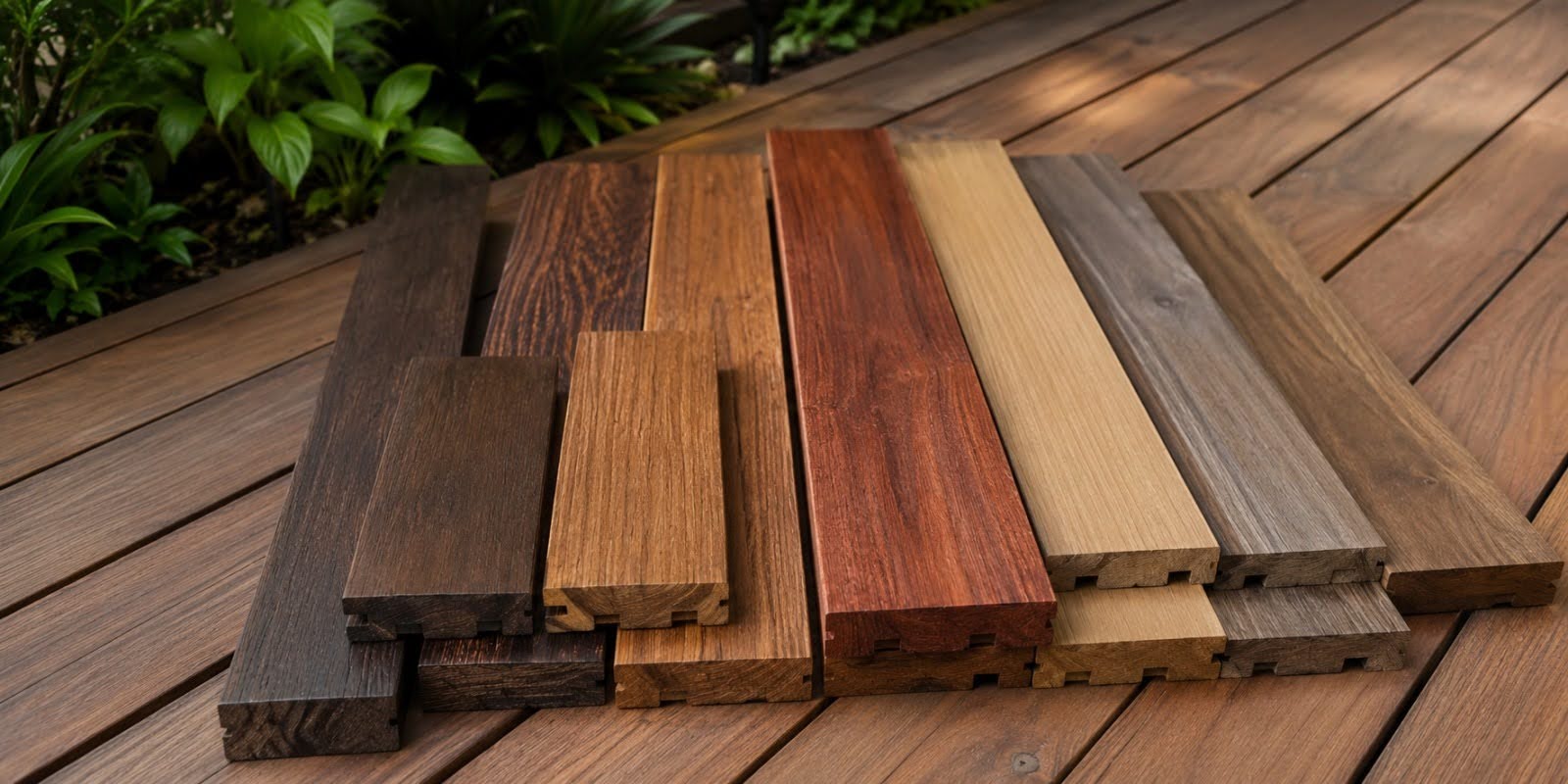
Wooden floor decking solutions make great additions to any home, simply because of its durability, style, and range of finishes that complement any house design. Choosing wood decking in Singapore requires matching the timber species to the project’s environmental exposure, intended use and maintenance expectations. Timber species differ in density, grain, colour, natural durability and response to changing moisture conditions.
Singapore’s humid tropical climate means exterior wood experiences frequent rain, strong sunlight and consistently high moisture levels in the surrounding air. These conditions make timber selection and correct decking installation especially important.
Chengal timber, Merbau timber and other hardwood options are associated with regional decking applications, but the species name alone does not determine performance. Timber quality, board specification, substructure, drainage and maintenance also influence the finished deck.
Why Timber Species Matter
Timber species matter because different types of wood have different physical and visual characteristics. These characteristics affect how boards respond to outdoor conditions and how the finished deck looks over time.
Density is one consideration. Many hardwood species used for decking are relatively dense, which can contribute to strength and resistance to normal wear.
Natural durability also varies between species. However, even durable timber can develop problems if installed where water remains trapped or if the deck is poorly maintained.
Appearance varies as well. Grain, colour and natural variation can differ considerably between Chengal, Merbau and other timber species.
Selecting a species therefore requires balancing technical suitability with the desired architectural finish.
Popular Timber Species in Singapore
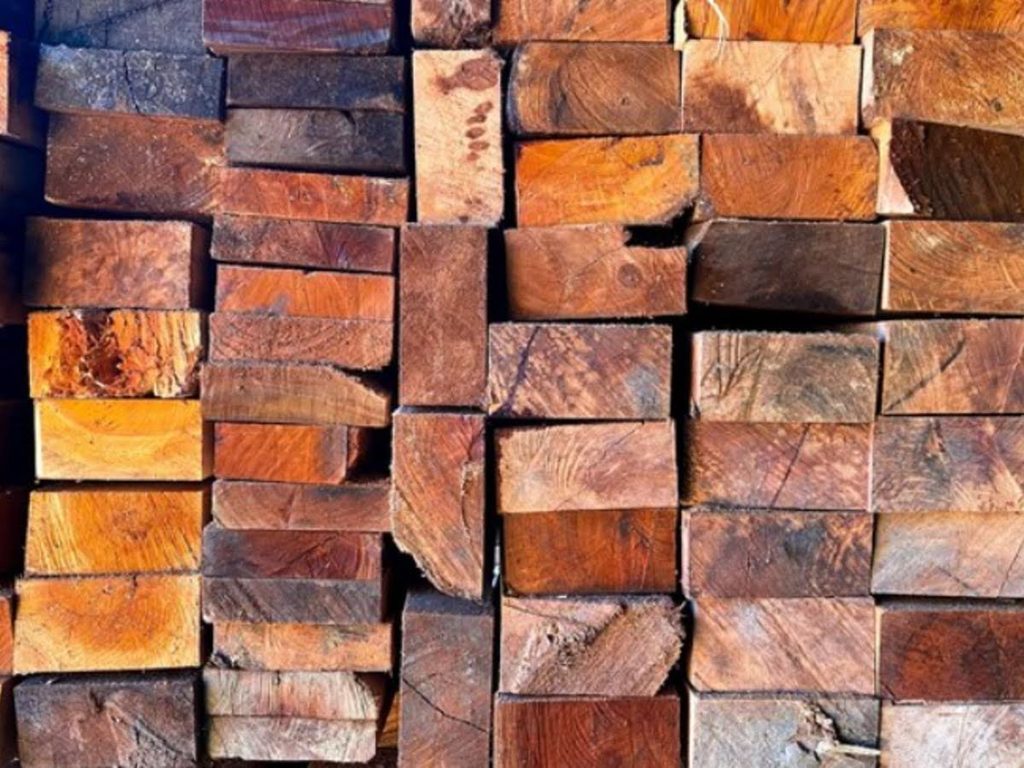
Hardwood decking is commonly associated with exterior applications because suitable hardwood species can offer characteristics required for outdoor environments.
Chengal Timber
Chengal is a tropical hardwood traditionally used for structural and exterior applications within the region. Appropriate grades can be used for timber decking where their characteristics meet project requirements.
Chengal has natural variations in grain and colour, as expected from solid timber.
Its suitability should still be evaluated according to material quality, board condition and intended exposure.
Merbau Timber
Merbau is another tropical hardwood used for timber flooring and decking applications. It has a distinctive appearance and can be suitable for exterior use when properly specified and installed.
As with Chengal, quality can vary between supplied boards. Selection should therefore consider the actual product rather than relying solely on the species name.
Other Hardwood Species
Other timber species may be available depending on supply and project specifications. A timber supplier should be able to explain the intended use and relevant characteristics of each option.
The fact that a species is classified as hardwood does not automatically make every grade or board suitable for outdoor decking.
Comparing Chengal and Merbau
Chengal and Merbau are both tropical hardwoods, but they differ in natural characteristics, visual appearance and individual timber properties. The better choice depends on the project rather than on a universal ranking between the two.
Chengal has an established history in regional structural and outdoor applications. It may be considered where its durability and physical characteristics align with the intended decking system.
Merbau is also widely associated with exterior timber applications and provides a different grain and colour profile.
When comparing the two, property owners should consider:
- Actual timber quality
- Desired appearance
- Environmental exposure
- Decking board specifications
- Maintenance expectations
- Installation method
Natural timber can vary within the same species, so samples and specifications should be reviewed together.
Durability and Maintenance
Timber durability depends on both inherent material characteristics and external factors such as installation and maintenance. A high-quality hardwood deck still needs appropriate drainage and routine care.
Outdoor timber repeatedly absorbs and releases moisture. Correct board spacing and ventilation help accommodate this natural behaviour.
Maintenance normally includes cleaning, inspection and keeping drainage paths clear. Surface finishes may also be used where appropriate to manage appearance.
UV exposure can change timber colour over time. Natural greying does not necessarily indicate structural deterioration.
A timber deck lifespan should therefore not be predicted from species alone. Installation quality, location and maintenance can significantly influence serviceability.
Selecting Timber for Different Projects
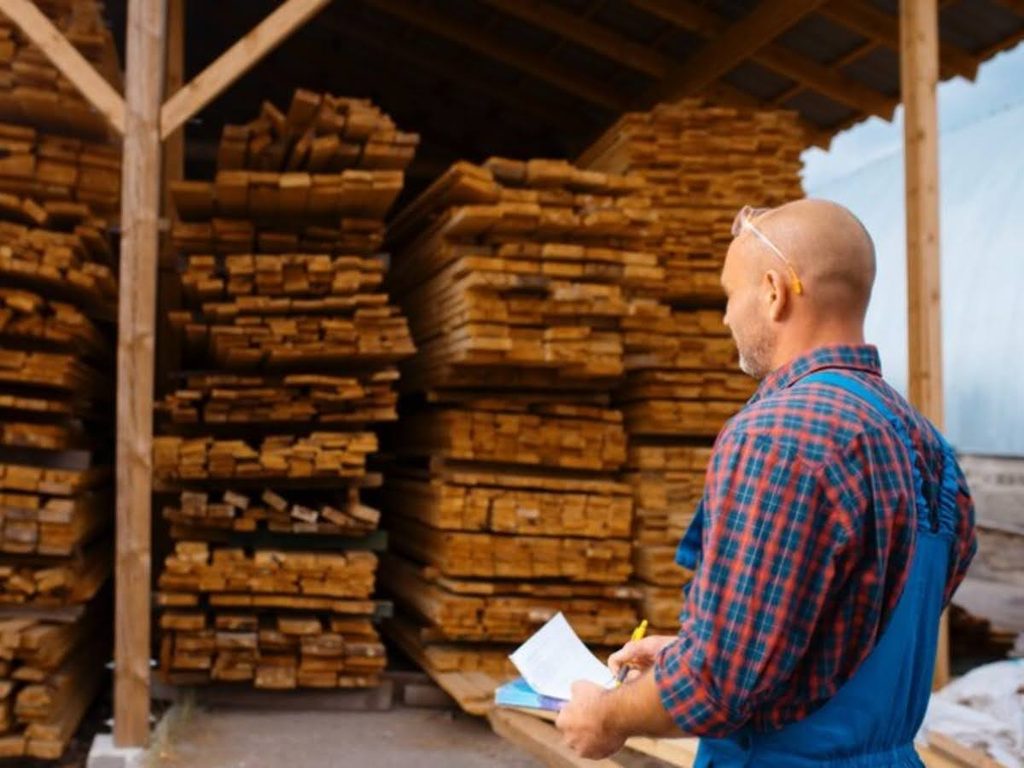
The best timber choice varies according to where and how the deck will be used. A material suitable for a sheltered residential balcony may face different demands in a pool area or exposed commercial environment.
Residential balconies typically prioritise appearance, installation height and compatibility with existing drainage.
Garden and patio decks may face more organic debris and moisture from surrounding vegetation.
Pool decking requires careful attention to wet-surface conditions, drainage and routine cleaning.
Commercial outdoor flooring may experience heavier foot traffic and more frequent use. Timber quality, inspection access and maintenance planning become increasingly important.
The intended application should therefore be established before the timber species is selected.
Common Buying Mistakes
Common timber-buying mistakes usually occur when decisions focus on a single characteristic rather than the complete decking system.
One mistake is selecting purely by colour. Natural appearance matters, but it does not indicate whether the timber suits the site’s exposure.
Another is assuming all boards from the same species are identical. Timber is a natural material, so quality, grain and individual characteristics can vary.
Buyers may also overlook the substructure. The timber deck includes the supporting system, not just the visible boards.
A further mistake is neglecting long-term maintenance. Natural wood requires periodic care when used outdoors.
Finally, selecting the material before assessing the installation location can lead to an unsuitable specification.
Expert Selection Recommendations
A sound timber selection process begins with the actual site conditions. The timber supplier or decking specialist should understand whether the location is exposed, sheltered, wet, high-traffic or subject to installation constraints.
The material should then be assessed according to exterior suitability, board quality and compatibility with the proposed decking system.
Product samples can help with visual selection, but technical characteristics should remain part of the decision.
Where the project involves complex drainage, pools or commercial usage, experienced installation input can help identify site-specific requirements before materials are ordered.
Frequently Asked Questions (FAQs)
There is no single best timber for every project. Suitable hardwood species should be chosen according to exposure, project use, material quality and maintenance expectations.
Chengal is associated with structural and exterior applications and can be used for decking when suitable material is correctly specified and installed.
Merbau can be used in exterior flooring and decking applications when the timber and installation system are appropriate for the site.
Yes. Hardwood decking should be cleaned and inspected periodically. Surface treatment requirements depend on the timber and desired appearance.
Colour is only one consideration. Durability, timber quality, site exposure, board specification and installation requirements should also be evaluated.
Selecting Timber Beyond Appearance
Wood decking in Singapore should be selected according to the complete requirements of the project. Chengal, Merbau and other hardwood species each have characteristics that can suit different applications.
The most reliable choice comes from considering timber quality, site exposure, installation and maintenance together rather than selecting by species name or appearance alone.
Find a Timber Species Suited to Your Project
Timber selection is more effective when the proposed species can be matched to the actual decking location and expected use. Nam Soon Decking Pte Ltd. can provide information on timber options and relevant T-Deck System considerations.
Property owners, designers and contractors can contact Nam Soon Decking Pte Ltd. today to discuss suitable timber species and decking requirements for a planned project.