Skip to content
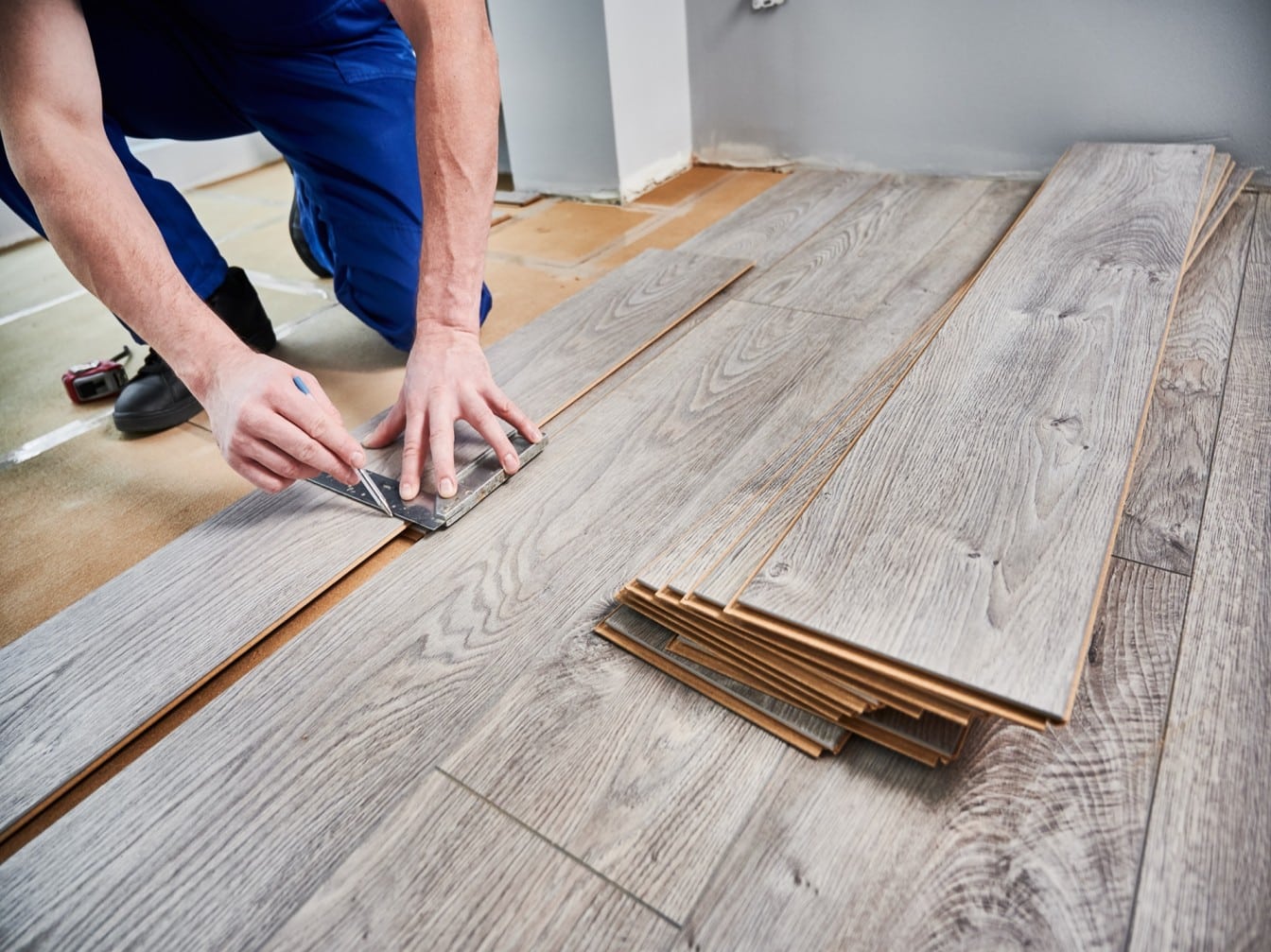
Homeowners may opt for wooden flooring solutions for their homes but they should be aware of suitable repair options as well. Choosing between DIY and professional wooden floor repair in Singapore depends on the extent of damage, required expertise, and long-term maintenance goals. Minor surface issues may be manageable with basic tools, while structural or moisture-related damage often requires trained professionals. Understanding these differences helps prevent further deterioration and protects the lifespan of timber flooring. This comprehensive guide explores wooden floor repair, when to DIY and when to consult a professional, and identifying when repairs are necessary.
What Wooden Floor Repair Involves
Wooden floor repair refers to the process of restoring damaged timber surfaces to maintain structural integrity, safety, and appearance. This includes addressing scratches, dents, warping, moisture damage, and joint separation.
In Singapore’s humid climate, timber flooring is particularly vulnerable to expansion and contraction. Repairs often involve sanding, filling gaps, replacing damaged planks, and refinishing surfaces to restore durability. Proper repair methods ensure that the flooring continues to perform well under environmental conditions.
Common Types of Wood Flooring Damage
Wood flooring damage can vary in severity and cause, requiring different repair approaches depending on the issue. Identifying the type of damage is essential before deciding between DIY and professional repair.
The most common types include:
- Surface scratches caused by furniture or foot traffic
- Water damage leading to swelling or discolouration
- Warping or buckling due to humidity exposure
- Gaps between planks from seasonal changes
- Deep cracks or structural damage
Each type of damage affects both the appearance and performance of the flooring, making accurate diagnosis important before repair begins.
DIY Wooden Floor Repair: When It Is Suitable
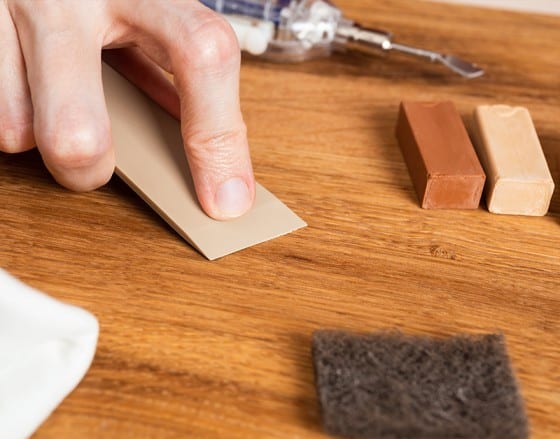
DIY wood flooring repair is suitable for minor and superficial issues that do not affect the structural integrity of the floor. These repairs typically involve simple tools and readily available materials.
For homeowners considering DIY repairs, the following scenarios are generally manageable:
- Light scratches or scuff marks
- Small gaps between planks
- Minor dents or surface wear
- Basic polishing or recoating
DIY repairs can help maintain the floor’s appearance in the short term. However, improper techniques may lead to uneven finishes or incomplete restoration, especially if the damage extends beyond the surface.
Tools and Methods Used in DIY Repairs
DIY wooden floor repair relies on accessible tools and basic techniques designed for small-scale maintenance. These methods aim to improve surface appearance without extensive intervention.
Typical tools and methods include:
- Sandpaper or handheld sanders for smoothing scratches
- Wood fillers for sealing minor cracks and gaps
- Touch-up markers or stains to restore colour consistency
- Sealants or finishes for surface protection
These methods are effective only when applied correctly and within the limits of minor damage. Overuse or incorrect application may result in inconsistent textures or colour mismatches.
Limitations of DIY Repairs
DIY repairs are limited in scope and may not address underlying issues affecting timber flooring. While they provide short-term improvements, they may not resolve deeper structural or environmental problems.
The main limitations include:
- Inability to fix subfloor or moisture-related damage
- Risk of uneven sanding or over-sanding
- Difficulty in matching original wood finish
- Limited durability of repairs
These limitations make DIY approaches less suitable for long-term restoration or complex repair needs.
Professional Wooden Floor Repair: When It Is Necessary
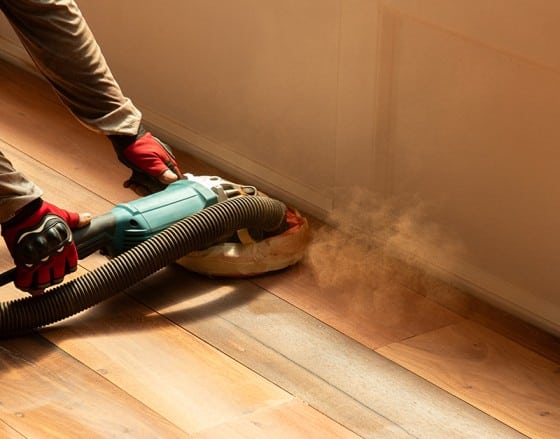
Professional wooden floor repair is required when damage affects the structural integrity, stability, or long-term durability of the flooring. This includes issues caused by water infiltration, extensive wear, or improper installation.
In Singapore, professional services often include detailed inspection, moisture testing, and advanced restoration techniques. Specialists use industrial-grade equipment to ensure accurate repairs and consistent finishing across the entire floor surface.
Techniques Used by Professionals
Professional wood flooring repair involves specialised techniques designed to restore both function and appearance. These methods are tailored to the type and severity of damage.
Common professional techniques include:
- Machine sanding for uniform surface levelling
- Replacement of damaged planks or sections
- Moisture control and treatment
- Recoating with durable finishes
- Structural reinforcement where needed
These techniques ensure that repairs are long-lasting and aligned with the original flooring specifications.
Benefits of Professional Repair Services
Professional repair services provide a comprehensive approach that addresses both visible and underlying issues in timber flooring. This ensures consistent results and reduces the likelihood of recurring damage.
Key benefits include:
- Accurate diagnosis of flooring issues
- Use of specialised tools and materials
- Consistent surface finishing
- Long-term durability and performance
- Reduced risk of further damage
Professional repairs are particularly important in environments where humidity and usage levels can accelerate wear.
DIY vs Professional Repair: Key Differences
The difference between DIY and professional wooden floor repair lies in the level of expertise, tools, and long-term effectiveness. Each approach serves a different purpose depending on the condition of the flooring.
| Aspect | DIY Repair | Professional Repair |
| Scope | Minor surface issues | Minor to major damage |
| Tools | Basic household tools | Industrial equipment |
| Skill Level | Basic knowledge | Trained expertise |
| Results | Short-term improvement | Long-term restoration |
| Risk Level | Higher risk of errors | Lower risk with proper methods |
This comparison helps determine which approach is appropriate based on the condition of the flooring.
Factors to Consider Before Choosing a Repair Method
Selecting the right repair method requires evaluating the condition of the floor and the desired outcome. A clear assessment helps prevent unnecessary repairs or further damage.
Important factors include:
- Extent and depth of damage
- Age and type of timber flooring
- Exposure to moisture or humidity
- Desired longevity of repair
- Availability of proper tools and expertise
Careful consideration of these factors ensures that the chosen method aligns with the actual repair requirements.
The Role of Preventive Maintenance
Preventive maintenance reduces the need for frequent wooden floor repair by protecting the surface from common causes of damage. Regular care helps preserve both appearance and structural integrity.
Effective maintenance practices include:
- Cleaning with appropriate wood-safe products
- Using protective pads under furniture
- Controlling indoor humidity levels
- Avoiding prolonged exposure to water
These measures help extend the lifespan of timber flooring and minimise repair frequency.
Understanding Timber Medic Solutions
Timber medic solutions refer to specialised repair methods focused on restoring damaged timber surfaces without full replacement. These solutions are commonly used for targeted repairs in residential and commercial settings.
They typically involve restoring affected areas through controlled sanding, filling, and refinishing. This approach helps maintain the original flooring while addressing localised damage efficiently.
Frequently Asked Questions (FAQs)
Choosing the Right Repair Approach
Selecting between DIY and professional repair depends on understanding the limitations of each method. Minor issues may be manageable with basic techniques, while more complex damage requires professional intervention.
Recognising when to seek expert help helps preserve the condition of timber flooring. A well-informed approach ensures that repairs are effective and aligned with long-term maintenance goals.
Seeking Professional Help for Wooden Floor Repair
Wooden floor solutions require maintenance to ensure its longevity over a period of time. Homeowners are advised to engage the services of a company that provides high-quality care and maintenance for wooden floors. Knowing your limits helps protect the long-term condition of timber flooring and prevents further damage from improper repairs. For cases where professional assessment or restoration is needed, it is advisable to contact a trusted wooden floor decking company today.