 Skip to content
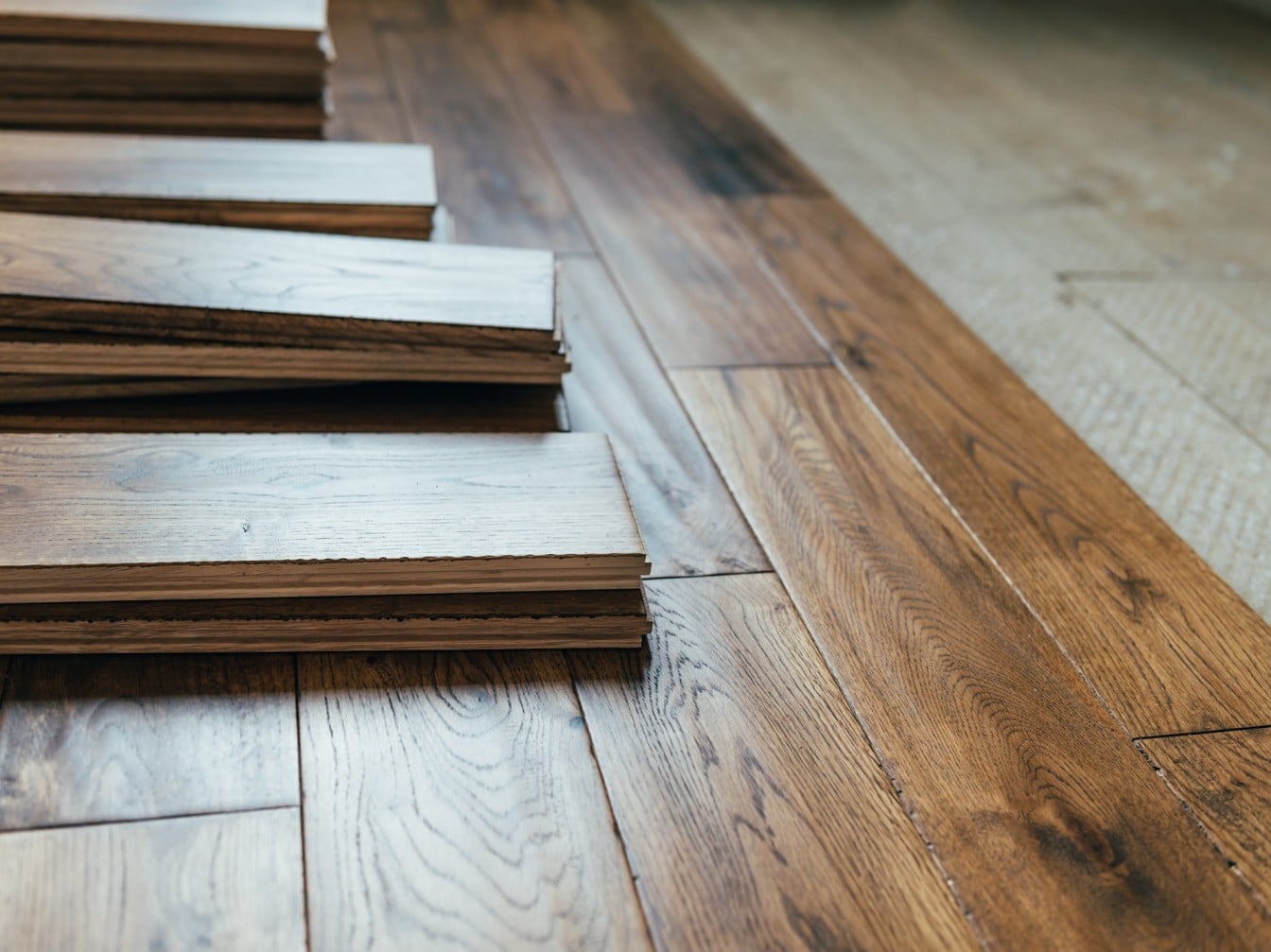
Homeowners with wooden flooring in their homes should ensure regular maintenance to ensure its longevity. Wood floor repair in Singapore refers to the process of restoring damaged timber flooring to maintain safety, durability, and appearance. Timber floors are widely used in residential and outdoor decking due to their natural finish and longevity. However, factors such as humidity, wear, and improper maintenance can lead to deterioration over time.
Regular upkeep helps prevent structural damage, reduces safety risks, and extends the lifespan of flooring materials. Understanding the causes and repair methods allows homeowners to address issues early and maintain consistent floor performance.
Why Wood Floors Require Regular Maintenance
Wood flooring maintenance involves cleaning, inspection, and timely repairs to prevent long-term deterioration. In Singapore’s humid climate, timber is particularly susceptible to moisture absorption, which can cause expansion, warping, or fungal growth.
Daily use also contributes to surface damage, especially in high-traffic areas. Furniture movement, debris, and improper cleaning methods can gradually weaken the protective layer of the wood. Without maintenance, minor issues can develop into structural concerns that require more extensive floor repair in Singapore.
Common Causes of Wood Floor Damage
Wood floor damage occurs due to environmental exposure, physical impact, and material ageing. Identifying the cause helps determine the appropriate repair method.
The most common causes include:
- Moisture exposure from spills, leaks, or humidity
- Surface abrasion from foot traffic or debris
- Impact damage from dropped objects or heavy furniture
- Poor installation or ageing timber materials
Each cause affects the wood differently, ranging from superficial scratches to deeper structural instability. In outdoor areas, deck repair is often required due to prolonged exposure to rain and sunlight.
Signs Your Wood Floor Needs Repair
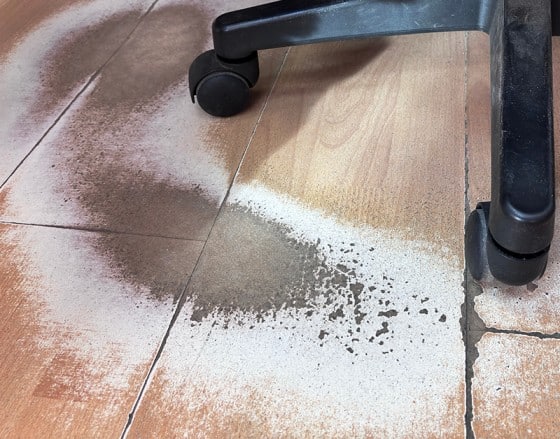
Wood floors typically show visible and structural indicators when repairs are necessary. Early identification helps prevent further deterioration and reduces repair complexity.
Key signs to look for include:
- Scratches or worn surface finishes
- Dents or indentations in the timber
- Discolouration caused by water damage
- Loose, creaking, or uneven boards
These signs indicate that the flooring may no longer provide consistent support or protection. Addressing these issues early can prevent safety risks and maintain the integrity of the flooring system.
Types of Wood Floor Repairs
Wood floor repair methods vary depending on the severity and type of damage. Each method focuses on restoring either the surface condition or structural stability of the timber.
Minor Scratch and Surface Repairs
Minor repairs address superficial damage such as light scratches and worn finishes. These are typically resolved using polishing compounds, touch-up solutions, or protective coatings.
This approach helps restore the appearance of the wood without altering the structure. It is suitable for early-stage damage where the underlying timber remains intact.
Sanding and Refinishing
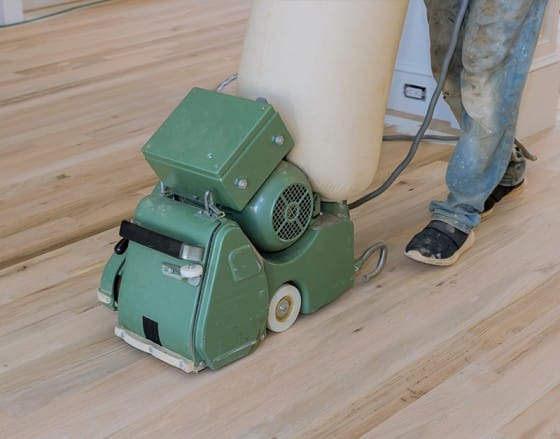
Sanding and refinishing involve removing the top layer of the wood to eliminate deeper scratches, stains, and uneven surfaces. A new protective finish is then applied to restore durability.
This method is commonly used for aged flooring that has lost its original coating. It improves both the visual consistency and resistance of the surface.
Board Replacement and Structural Repair
Board replacement is required when timber planks are severely damaged, warped, or unstable. The affected sections are removed and replaced with new materials that match the existing floor.
This method ensures structural safety and prevents further damage from spreading. It is often necessary in cases of water damage or long-term neglect.
DIY vs Professional Repairs
Wood floor repair can be performed as a do-it-yourself task or by a professional, depending on the complexity of the issue. Simple maintenance tasks are manageable, while structural repairs require specialised expertise.
The following criteria help determine the appropriate approach:
- DIY is suitable for light scratches, cleaning, and minor surface touch-ups
- Professional repair is required for water damage, warping, or loose boards
- Deck repair often requires professional tools due to outdoor exposure
- Large areas of damage benefit from consistent finishing by specialists
Professional services ensure proper assessment, material compatibility, and long-term durability, especially for extensive repairs.
Preventative Maintenance Tips for Timber Floors
Preventative maintenance involves routine practices that reduce the likelihood of damage and extend the lifespan of wood flooring. Consistent care is essential in maintaining both indoor and outdoor timber surfaces.
The following practices are commonly recommended:
- Clean floors regularly using appropriate wood-safe products
- Maintain indoor humidity levels to prevent expansion or contraction
- Use protective pads under furniture to reduce surface impact
- Apply protective coatings to enhance resistance against wear
These measures help maintain structural integrity and reduce the need for frequent floor repair in Singapore.
Indoor vs Outdoor Timber Flooring Considerations
Indoor and outdoor timber flooring require different maintenance approaches due to environmental exposure. Indoor flooring is typically protected from direct weather conditions, while outdoor decking faces constant exposure to moisture and sunlight.
Outdoor timber surfaces often require more frequent inspection and deck repair to address weather-related damage. Protective treatments and sealing are essential to prevent water penetration and decay.
Indoor flooring, while less exposed, still requires humidity control and regular cleaning to prevent gradual wear.
Understanding Timber Medic Repair Approaches
Timber medic repair refers to a systematic approach to diagnosing and restoring timber surfaces based on their condition. This includes identifying damage types, selecting suitable repair techniques, and applying protective treatments.
This method focuses on preserving existing materials where possible, rather than complete replacement. It is commonly applied in both residential flooring and decking to maintain consistency and reduce material waste.
By combining inspection, targeted repair, and preventive measures, timber medic approaches ensure long-term performance and structural reliability.
Maintenance Schedule for Wood Floors
A maintenance schedule provides a structured approach to caring for timber flooring. Regular intervals help ensure that minor issues are addressed before they develop into major repairs.
A typical schedule includes:
| Maintenance Task | Recommended Frequency |
| Sweeping or cleaning | Weekly |
| Surface inspection | Monthly |
| Protective coating | Every 6–12 months |
| Professional assessment | Annually |
Following a schedule helps maintain consistent floor condition and reduces the need for extensive repair work.
Frequently Asked Questions (FAQs)
Preserving Timber Flooring for Long-Term Use
Wood flooring remains durable when properly maintained and repaired in a timely manner. Addressing early signs of damage, applying suitable repair methods, and following a consistent maintenance routine can significantly extend the lifespan of timber surfaces.
By understanding the causes of wear and selecting appropriate repair solutions, homeowners can maintain both the safety and appearance of their flooring.
Evaluating the Need for Professional Floor Repair Services
Homeowners should ensure the proper care and maintenance for their floors to ensure its longevity and durability. For property owners considering professional assessment or repair options, it may be useful to consult with a reliable wooden floor maintenance company for professional wood floor repair in Singapore to evaluate the current condition of timber flooring and determine suitable solutions.
